
Gold Port Corporation (CSE: GPO | OTCQB: GPOTF)
Lorem ipsum dolor sit amet, consectetur adipiscing elit, sed do eiusmod tempor incididunt ut labore et dolore magna aliqua.
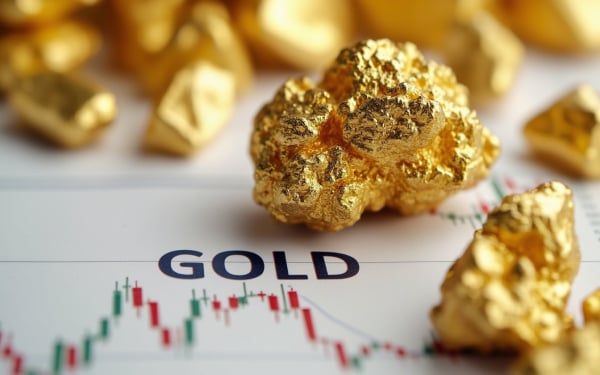
With the results of the U.S. midterm elections now settled and the Democratic Party having won a sweeping victory in both chambers of Congress, the gold market has received a short-term boost. Many market participants believe that Federal Reserve monetary policy remains the core variable determining the direction of gold prices. As of November 6, gold was trading at US$4,064.37 per ounce, up 1.05% for the week.
According to Kitco News, the Democrats’ landslide victory in the November 3 midterm elections injected positive momentum into the gold market. Gold climbed from around US$3,900 per ounce after election day to a high of US$4,145, but pulled back again toward the weekend as investors refocused on the key support level of US$4,000 per ounce. Analysts attribute the rally primarily to three factors: falling bond yields, a weaker U.S. dollar, and short covering following last week’s sharp selloff in gold.
However, stronger-than-expected U.S. employment data reinforced expectations that the Federal Reserve will maintain its tightening stance. The Fed is still battling persistent inflation, and rising interest rates and elevated bond yields increase the opportunity cost of holding non-yielding gold, constituting the main cap on further upside. In the near term, U.S. monetary policy remains the dominant force driving gold prices.
On the political front, once Democrats take control of Congress, they will gain greater control over federal spending in January next year, which could limit President Trump’s ability to advance his fiscal agenda. But the report notes that it remains questionable whether a Democrat-controlled Congress can significantly improve America’s deteriorating fiscal position—politicians on both sides of the aisle have shown little appetite for meaningful spending restraint. Priorities may change, but fundamental challenges such as rising government debt and persistent deficits are unlikely to disappear. This also means that the “dollar debasement trade” that has supported gold in recent months remains intact—U.S. debt has surpassed US$40 trillion, and its unsustainable rise is a key driver of gold prices.
In addition, ongoing geopolitical uncertainty and the potential for renewed volatility in financial markets continue to support gold’s long-term appeal as a portfolio diversification tool. The report emphasizes that the election results have changed the political landscape but have not changed the economic realities facing gold investors: before monetary policy expectations shift, gold will struggle to build sustainable upward momentum; however, short-term weakness should not be misread as a deterioration in gold’s long-term investment outlook, regardless of who controls Capitol Hill.
Overall, the midterm elections have provided a short-term catalyst for gold, but the Federal Reserve remains “the dealer.” For long-term investors, analysts generally view price pullbacks as tactical buying opportunities, especially given that the fundamental factors supporting gold remain largely intact.