

Algo Grande Copper Corp. (TSXV: ALGR)
High-Grade Copper in North America
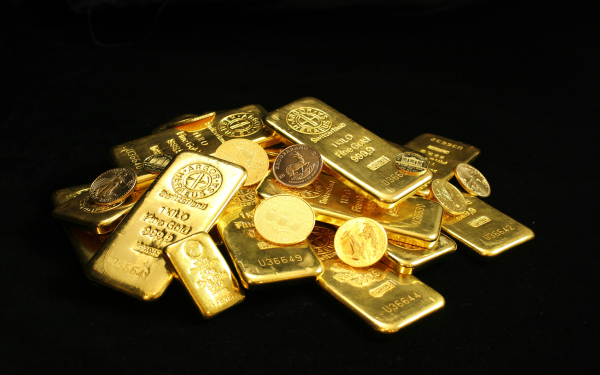
Spot gold edged lower and spot silver traded volatile in early U.S. trading Tuesday, as weaker-than-expected housing activity underscored the drag of elevated borrowing costs on the U.S. economy, while rising crude prices and persistent inflation kept expectations of further Federal Reserve tightening alive. The latest housing figures offered some counterweight to the inflation concerns weighing on precious metals, though renewed tensions around the Strait of Hormuz limited room for interest-rate relief. In early morning trade, spot gold was near $4,120.10 an ounce, down 0.48%, while spot silver was near $57.210, up 0.42%.
Gold has failed to hold successive rallies since its pullback earlier this year. The head of gold and silver research at Metals Focus said in an interview that the pattern reflects competition for investment capital rather than a fundamental deterioration in the metal’s long-term outlook.
Institutional investors have consistently returned to the gold market as prices fell toward $4,000 an ounce, establishing a floor in which central banks have been major participants. The underlying economic and geopolitical factors behind gold’s 2025 rally have not disappeared; growing government debt and fiscal uncertainty have instead strengthened the metal’s long-term investment case. Large government deficits, rising debt-servicing costs and uncertainty surrounding U.S. policy should continue encouraging diversification away from traditional dollar-denominated assets.
Saxo Bank analysts said in a note that the market remains caught in a tug of war between short-term selling pressure from macro-focused traders and demand from less interest-rate-sensitive investors seeking a safe haven amid multiple geopolitical and fiscal strains.
Investors are also awaiting next week’s U.S. Personal Consumption Expenditures data, the Federal Reserve’s preferred inflation gauge.
Market positioning remains split between weakening economic activity and persistent inflation pressure. September consumer prices rose 0.6% on the month and 3.7% annually, while producer prices climbed 1.3% and 6.3%, respectively. The inflation surprises leave traders expecting the Federal Reserve to hold rates steady at its Oct. 27-28 meeting; CME’s FedWatch tool assigns an 82.8% probability to no change and a 17.2% probability to a 25-basis-point increase, while markets price a 93.6% chance that rates will be higher by the Dec. 9 meeting. Tuesday’s housing figures strengthen the case for an October hold but, with energy prices elevated, are unlikely on their own to reverse expectations for December tightening.
The benchmark 10-year Treasury yield traded near the 5.1% area after Monday’s rise toward 5.13%, while the dollar edged slightly softer overnight after strengthening in the previous session.