
Metalite Resources Inc. (CSE: METL; OTC: JNCCF; FSE: D680)
Emerging Abitibi Gold Explorer
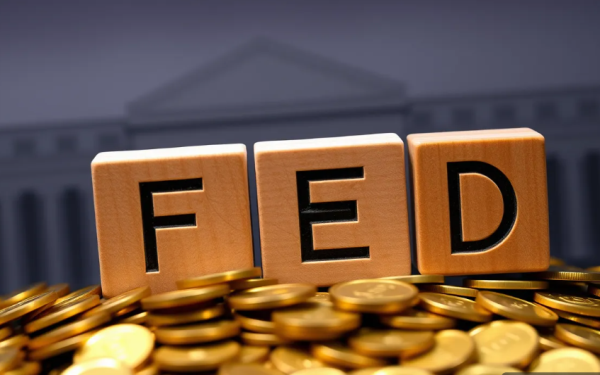
Gold rebounded above $3,600 an ounce on Monday after a 9% weekly drop pushed prices to a 14-month low. Major Wall Street banks broadly see upside for bullion over the longer run, yet the timing of any sustained recovery hinges on a turning point in the Federal Reserve’s rate-hike cycle.
Bullion neared a record high of $5,600 in January before losing roughly 35% of its value, pressured by successive Fed tightening, rising Treasury yields and a stronger dollar. Geopolitical risks linked to the Middle East conflict failed to deliver the usual safe-haven boost. Higher oil prices stoked inflation fears and bets on further rate increases, overshadowing gold’s traditional haven appeal and putting rate dynamics at the centre of pricing.
Forecasts from Goldman Sachs, UBS and Societe Generale place gold between $4,650 and $5,000 by the end of 2027, implying potential gains of 28% to 38% from current levels. The constructive case rests on steady central bank purchases, persistent U.S. fiscal strains tied to the debt ceiling, and eventual policy shifts from the Fed that draw investor flows back into gold assets.
The banks diverge most on when the recovery can begin. Goldman Sachs projects additional Fed rate increases in December and March 2027, which will keep weighing on Western ETF demand. Its outlook puts gold at $5,600 only by the close of 2028. Bank of America expects pressure to persist through the first half of 2027, with a meaningful rebound delayed until the second half. UBS and Societe Generale retain their $5,000 end-2027 targets, though both acknowledge extended tightening has repeatedly pushed back the timeline for gains.
Central bank buying forms a key floor for prices. Goldman Sachs estimates official purchases will run at about 60 tonnes per month from 2026 through 2028, well above the monthly average of roughly 17 tonnes recorded before 2022. Oil represents a major swing risk. A stress scenario from Bank of America shows gold could average just $3,500 in 2027 if Middle East tensions drive crude to $150 a barrel.
Near-term direction will be set by upcoming U.S. inflation figures and the Fed’s December policy decision. Dip-buying demand is expected to return systematically once clear signs emerge that the tightening cycle has peaked.