
Pinnacle Silver & Gold Corp (TSXV: PINN)
Building a New Americas-Focused Silver and Gold Company

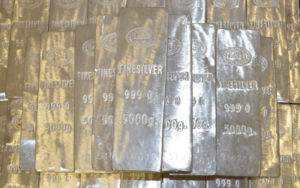
Since late August, spot gold has declined nearly 16% and silver has plunged roughly 30%, as a technology sector-led selloff ripples across global commodity markets. Persistent inflation and expectations for prolonged high interest rates have added further downward pressure, dragging copper mining equities lower even as some producers benefit from stronger copper prices. The broad slump has weighed heavily on Toronto Stock Exchange-listed mining shares, yet select Canadian operators with solid fundamentals and clear growth trajectories have emerged as names worth watching.
Gold’s traditional safe-haven status provides little defense when investors liquidate assets to raise cash. During broad market pullbacks, investors often sell profitable positions to offset losses in other parts of their portfolios, or reduce overall risk exposure. This dynamic is a key reason gold stocks can stay under pressure even when concerns over the broader economy are running high.
For metals and mining companies, share prices reflect more than just spot commodity prices. They also embed expectations for production costs, operating performance and future profitability. As gold and silver prices retreat, investors begin pricing in thinner margins even when companies have just delivered strong quarterly earnings. The combination of falling commodity prices and cautious market sentiment has created an extra drag on TSX mining names.
Silver and copper face an additional headwind from softening industrial demand, which has deepened the selloff in related mining stocks. Even so, the recent price declines do not mean every miner’s business has deteriorated. Three Canadian-listed companies have retained strong operational footing through the downturn: Pan American Silver (TSX: PAAS), Capstone Copper (TSX: CS) and Neo Performance Materials (TSX: NEO).
Headquartered in Vancouver, Pan American Silver runs gold and silver production assets across the Americas. Its shares currently trade at C$52.99 apiece, with a C$22 billion market capitalization and a 1.9% annualized dividend yield. The stock is down 26% year to date. In the second quarter, the company’s revenue rose roughly 38% year over year, lifted by higher realized metal prices. Silver output climbed 27% annually, led by its La Colorada and Juanicipio mines. Adjusted earnings nearly doubled to US$308 million, while attributable free cash flow jumped 47%. Ample mineral reserves and ongoing development projects support its long-term growth outlook.
Capstone Copper, with operations in the U.S., Mexico and Chile, has also seen its shares pull back despite strong earnings momentum. The stock closed at C$11 at the end of October 2026, giving the company a C$8.4 billion market value, and has fallen 20% so far in 2026. Third-quarter revenue surged 19% year over year, as its realized copper price rose to US$6.61 per pound from US$4.49 a year earlier. That lifted adjusted net profit almost twofold to US$93.8 million. Copper production dropped 18% to 45,218 tonnes in the quarter, hit by maintenance disruptions, lower ore grades and weaker cathode output. Looking ahead, its Mantoverde expansion project will bring on additional production capacity, while the planned sale of its Cozamin asset is set to further strengthen its balance sheet.
Neo Performance Materials specializes in rare-earth separation and magnet manufacturing, with production facilities in Estonia. In September, the company completed its first commercial magnet deliveries to an automotive motor customer, marking a key operational milestone. Its core GAUSS expansion project would lift total nameplate magnet capacity by 150% to around 5,000 tonnes per year, serving automotive, industrial and wind energy customers. The European Union has earmarked the project for a potential grant of up to €126 million, though a final grant agreement has yet to be signed. The remaining capital required for the estimated €400 million project will need to be raised through other channels.
Financially, the company posted sharp year-over-year revenue growth in the second quarter, with adjusted operating earnings driven primarily by its rare metals segment. The first commercial magnet shipments took place after the quarter ended, so the latest earnings jump cannot be fully attributed to profitability from the new magnet business. The company recorded negative operating cash flow in the first half of the year, and its cash holdings were below its gross debt level as of June 30. Updated results due November 10 will offer fresh details on sales trends, cash needs and expansion funding progress.
All told, the recent metals selloff has pulled the broader mining sector lower, but has also created clear divergence in operating resilience and growth potential across companies. Miners backed by proven earnings, solid reserve bases and well-defined expansion plans are gradually showing increased investment merit amid the share price pullback. Investors can position in these names in line with their individual risk tolerance and monitor upcoming operational and financial updates.