Glencore sees rich benefits in battery growth as debt falls
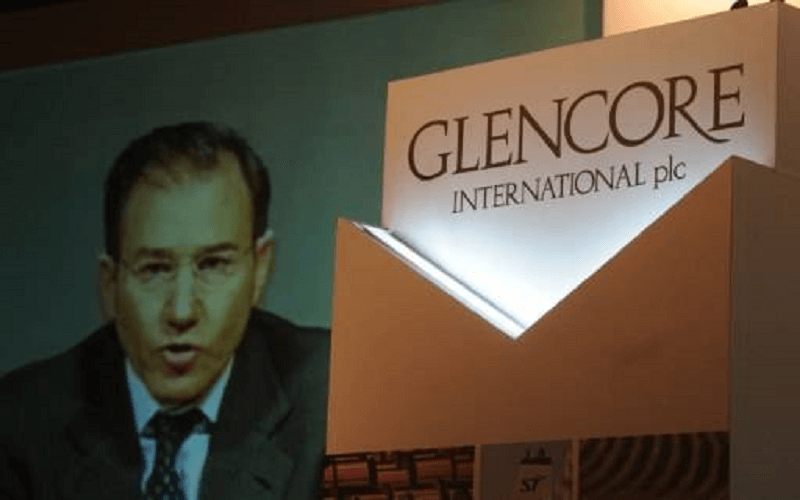
Glencore, the miner and commodity trader, flagged its exposure to the raw materials that power electric vehicles as it reported a sharp rise in first-half earnings and said it would examine potential acquisitions.
The Swiss-based company is the biggest producer of cobalt, a key component in lithium-ion batteries. It is also a large miner of nickel as well as copper, a metal that is needed in battery powered vehicles as well as the charging points.
Ivan Glasenberg, Glencore’s chief executive, has become a keen advocate of the technology, telling investors this year that the electric vehicle revolution is under way and its impact will be felt faster than expected.
Speaking after the release of interim results on Thursday, Mr Glasenberg said he could not predict how fast electric vehicles would grow but forecasts suggested they could be about 30 per cent of the vehicle fleet by 2030. Based on those figures, Mr Glasenberg said there would be a need for an extra 2m tonnes of copper supply, 1.2m tonnes of nickel and 260,000 tonnes of cobalt. To put those numbers in perspective, global copper demand is currently 23m tonnes, nickel 2.1m and cobalt 100,000 tonnes.
“That bodes well for the prices of these commodities,” he said. Glencore’s results for the six months to June hit market expectations, with pre-tax profits of $2.45bn, up from a loss of $369m last year. Revenues jumped 45 per cent to $100bn on the back of higher coal, copper cobalt and zinc prices, while net debt dropped 40 per cent to $13.9bn. That left the company’s ratio of net debt to underlying earnings at one times, well below its self-imposed ceiling of two.
If current commodity prices hold, Glencore expects to generate more than $7bn of free cash flow this year. The company said it would keep net debt below $16bn. The results highlight the rebound in commodity markets that have boosted earnings across the mining industry and helped companies such as Glencore to cut their debts and resume dividend payments.
Earlier this month, Rio Tinto announced the biggest interim dividend in its history and launched a $1bn share buyback. The recovery in commodity prices through late 2016 and into 2017 saw earnings before interest, tax, depreciation and amortisation from Glencore’s “industrial” or mining assets surge 95 per cent to $5.3bn over the six months to June. The more favourable backdrop also helped Glencore’s “marketing” or trading arm, which reported earnings before interest of $1.37bn, up 13 per cent from a year ago.
Glencore said its oil trading revenues had jumped to 6.15m barrels a day, from 4.41m a year, after it bought a stake in Rosneft, the Russian oil producer. Mr Glasenberg, a renowned dealmaker, said Glencore would continue to examine potential acquisitions because of its aversion to building new projects from scratch.
He said Glencore was keen to expand its agricultural arm — a joint venture with two Canadian pension funds — but refused to comment on Bunge, the $10.2bn US grain trader it approached in May about a possible combination.
“We will continue to look for opportunities in that area,” he said.
Source: www.ft.com
Clean Technology
Electric Cars
Energy Metals
Industrial Metals