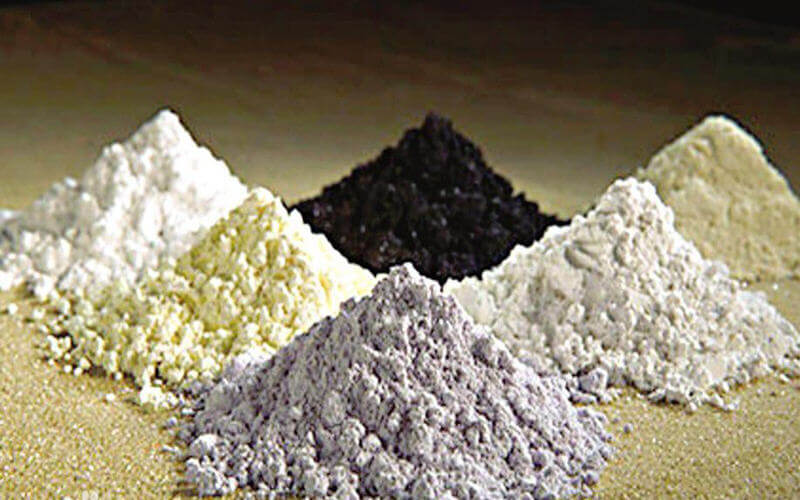
After a spectacular bust in 2012 and several years of stagnant prices, rare earths mined mainly in China are making a comeback.
The expansion of electric vehicles and the renewable energy industry are partly behind this year’s renaissance for the 17 minerals, which are also used in smartphones and consumer electronics.
Back in 2010 their soaring price caused such angst in Washington over China’s stranglehold on the market.
Additional mining capacity, as well as end users turning to alternatives, triggered a dramatic price collapse in 2012. Five years on and it is the role of rare earths in permanent magnets used in electric vehicles and wind turbines that has reignited interest. The price of two rare earths, neodymium and praseodymium, has soared more than 50 per cent this year, sending investors into shares of the Chinese companies that mine such minerals.
The price for neodymium and praseodymium oxide, which are priced in tandem, is trading at $73.50 a kilogramme in China, compared to an annual average of $38.94 last year, according to consultancy Adamas Intelligence. China Northern Rare Earth Group, the country’s largest producer of rare earths, has been among the biggest beneficiaries of the renewed excitement. Its Shanghai-listed shares have risen 52 per cent this year, and last month the company forecast that its first-half profits would be up as much as 260 per cent from a year earlier.
The enthusiasm has extended to Beijing Zhong Ke San Huan, a Shenzhen-listed rare-earth magnetmaker, which last year signed an agreement to supply electric carmaker Tesla Motors. The Chinese company’s shares have jumped almost a third this year.
The likes of Tesla are choosing to use rare earth-based permanent magnet motors, rather than induction motors, in some vehicles, as they are lighter and more powerful. That is key to improving how far the vehicles can go without being recharged, according to David Merriman, an analyst at consultancy Roskill. Argonaut Research analysts estimate that use of magnets in electric vehicles and wind turbines will cause demand for neodymium and praseodymium to increase almost 250 per cent over the next 10 years. Electric vehicles use roughly 1kg more rare-earth oxides than conventional internal combustion cars, according to their research. Chinese and overseas carmakers are now looking to sign long-term supply agreements with Chinese rare-earth producers, according to Ryan Castilloux, an analyst at Adamas Intelligence.
The effect of rising demand on prices is amplified by the Chinese government’s efforts to curb the illegal supply of rare earths that helped create a glut during the previous boom. Since last year, inspections against illegal suppliers have covered more than 400 companies in 23 provinces, with the provinces of Jiangxi and Fujian undertaking a second round of inspections, Chinese media has reported.
Beijing has also sought to consolidate its rare-earths industry under six main state-owned groups, which means a more disciplined approach to supply, according to Mr Castilloux. Persistently low rare-earth prices over the past few years have meant that most Chinese producers have been operating at a loss, he says.
Yet the giddy rebound in prices is stirring memories of the collapse that followed the previous surge. Higher prices are likely to encourage fresh supplies, which ultimately threaten the upward trend. Rare-earth projects outside China are already gearing up, with London-listed Rainbow Rare Earths aiming to start production at its Burundi project by the end of this year. Canada-listed Mkango Resources is also exploring rare-earths deposits in Malawi.
Source: www.ft.com