
Rua Gold Inc. (TSXV: RUA, OTC: NZAUF, WKN: H8E)
An Emerging Gold Explorer with Two Highly Prospective Land Packages in New Zealand’s historical gold fields.

Rumors of Australian giant BHP possibly acquiring Anglo American Plc for £31 billion (USD 39 billion) have caused a stir in the metal industry. Anglo American rejected the takeover bid, believing its value was severely underestimated.
If the deal happens, BHP would become the world’s largest copper producer. According to data, to achieve the most ambitious global climate goals based on current copper usage patterns, copper consumption would need to increase fourfold. This is nearly impossible, so efficiency, recycling, and alternative materials will play a role, but copper supply still needs a significant increase. Metal consultancy CRU predicts that even without a strong push for clean technology, copper demand could increase by around 40% by 2050.
These anticipated growth trends are making copper more expensive. To avoid further price hikes and potential bottlenecks in clean energy, there is a pressing need to find new technologies that can increase copper supply or reduce its usage. Here are three ideas for change:
Copper is widely used, and raising recycling rates can alleviate copper pressure. According to the International Copper Association, over 30% of copper was recycled between 2009 and 2019. As products containing copper reach the end of their lifespans, more opportunities for recyclers may arise. This has led to the emergence of a new wave of high-tech recycling companies, with Redwood Materials being the largest lithium-ion battery recycler in North America.
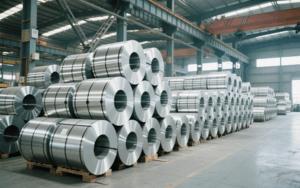
Commodity traders often find that one solution to high prices is to use cheaper substitutes whenever possible. Kwasi Ampofo, Head of Metals and Mining at BNEF, said, “If prices stay high for a prolonged period, we’ll start to see substitutes for other metals like aluminum.”
On the other hand, the International Aluminum Institute estimates that replacing copper in building wires and transformers with aluminum could increase aluminum sales by 2% and 30%, respectively.
For most common copper ores, pyrometallurgical techniques for extracting copper are typically the best solution. Startup company Jetti Resources, which won the BNEF Pioneer Award last year, claims to have found a more efficient way to extract copper through wet metallurgy. The company uses a catalyst to break down low-grade, less active substances in certain types of copper-rich, low-grade ores. This not only increases the extraction rate from existing deposits but also allows for copper extraction from millions of tons of waste already mined from existing mines.