Will Lithium Prices Rebound in 2025 After Two Consecutive Years of Decline?
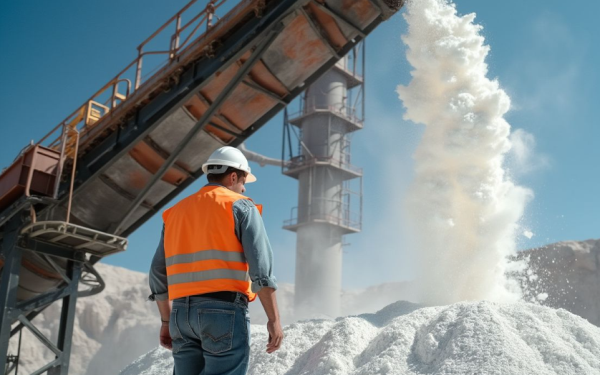
As 2024 comes to an end, it is evident that lithium prices have closed lower for the second consecutive year. Since reaching a peak price of $85 per kilogram for lithium hydroxide in December 2022, lithium prices have plunged nearly 90%. However, for investors, the key focus remains the future outlook. Fortunately, the steepest phase of the price drop seems to be behind us, with signs of narrowing declines being the most direct evidence.
Additionally, the reduced price discounts in lithium purchase contracts also reflect a positive industry trend.
Just a few years ago, long-term lithium supply contracts were based on fixed prices. However, with the growth of the electric vehicle (EV) era, severe price fluctuations posed significant cost pressures for battery manufacturers and automakers. This prompted the industry to shift to annual agreements similar to those used for other metals like copper. These contracts are now based on third-party spot price indices, with either a discount or premium applied.
In the most recent negotiations for 2024 contracts, discounts typically ranged between 5% and 10%. However, in the 2025 annual supply negotiations, lithium producers are pushing for better terms. Depending on contract size, time periods, and other variables, discounts relative to spot price indices are now narrowing, ranging from 0% to 2%. While sellers still appear to lack significant leverage, the overall trend is positive.
These supply talks focus on lithium chemicals, the primary output of lithium refineries, and cover clients such as cathode material manufacturers, battery makers, and EV manufacturers. Asia remains the largest buyer of lithium globally, with long-term contracts accounting for the majority of purchases by users in South Korea, Japan, and China.
As a major player in the global lithium industry, China’s demand trends play a pivotal role in shaping the lithium market.
A report released by the Chinese government in December shows that from January to October 2024, China’s lithium battery industry maintained strong growth momentum. The total production of lithium batteries reached 890 GWh during this period, a year-on-year increase of 16%. Among these, lithium batteries for new energy vehicles accounted for approximately 405 GWh. Furthermore, the production of battery-grade lithium carbonate increased by 43% year-on-year to 540,000 tons, while battery-grade lithium hydroxide production grew by 27% to 300,000 tons.
However, investors should remain cautious, as the oversupply situation in the lithium market is expected to persist for some time.
Even as lithium prices have plummeted, global lithium supply continues to grow. UBS estimates that global lithium supply is expected to increase by 25% this year, with an additional 15% growth projected in 2025. Although some loss-making mines have curtailed production or delayed project expansions, many other mines are actively maintaining production. This is being done to preserve market share, maintain good government relations, and avoid the technical challenges associated with mine closures and restarts. As a result, the oversupply of lithium is expected to continue until 2027.
China News
Clean Energy
Electric Cars
Lithium