Amid sustained pressure on oil prices, Canadian energy firms are rapidly shifting strategic focus to natural gas. Industry data reveals this transition began earlier this year: Alberta Energy Regulator figures show a 26% surge in natural gas well-drilling licenses issued in Q1 2024 to 308, marking the highest quarterly tally since 2023, while oil well permits dropped by 24%.
The Western Canadian Select (WCS) crude benchmark has plunged from $59 per barrel in early April to $50, weighed down by U.S. tariff policies and OPEC+ production hikes.
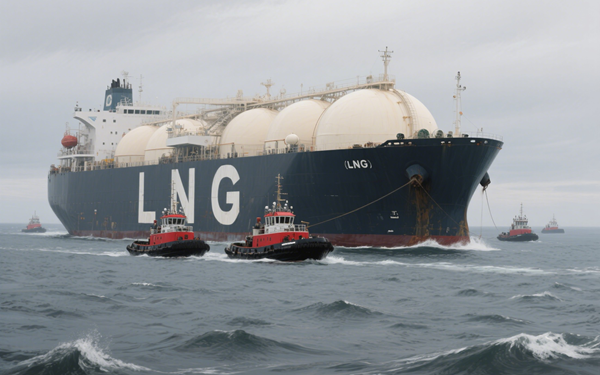
The pivot extends beyond market volatility, driven by liquefied natural gas (LNG) export prospects.
Tourmaline Resources, Canada’s largest gas producer, forecasts a rebound in Alberta’s long-discounted gas prices as the LNG Canada project nears operation. The mega-project—backed by Shell (40%), Petronas (25%), Mitsubishi (15%), Korea Gas (5%), and PetroChina (15%)—boasts a daily capacity of 1.9 billion cubic feet, a significant slice of Canada’s 2024 average daily output of 18.1 billion cubic meters. Despite weather delays, the facility recently completed its first LNG cargo equipment tests, with exports slated to begin by mid-2025.
Shifting international dynamics present rare opportunities. China’s halt on U.S. LNG imports amid retaliatory tariffs—coupled with robust Asian demand from Japan, South Korea, and others—positions Canada to challenge Australia’s LNG dominance. Analysts suggest Canada’s LNG sector could inject C$75 billion annually into its economy if executed strategically.
U.S. policies are redrawing global LNG maps.
While Europe’s March imports of American LNG hit a record 7.04 million tons (easing to 5.88 million tons in April), 2025 averages show a sharp rise from 2024’s 3.76 million tons, with U.S. cargoes now comprising 55% of Europe’s LNG imports. However, proposed U.S. port fees targeting Chinese-built vessels threaten logistics: Korean (68 orders) and Chinese (41 orders) shipyards dominate LNG carrier construction, while U.S. builders lack capacity, risking higher costs and export competitiveness.
Energy analysts note that despite seasonal demand dips, Europe’s accelerated shift from Russian gas and Asia’s trade-balancing efforts signal enduring LNG demand growth. Concurrently, Canada’s Montney formation is ramping up condensate production to meet oil sands diluent needs, hinting at parallel opportunities in crude markets.
As geopolitical tides and trade wars reshape energy flows, Canada’s gas gamble could redefine its role in the global energy chessboard—if it navigates Washington’s policy storms.