The illustrious investment career of legendary investor Warren Buffett is gradually approaching its finale as he prepares to retire from his role as CEO of Berkshire Hathaway. The meticulously constructed Berkshire portfolio, curated by Buffett and his management team, encompasses nearly forty stocks, with its changes regularly disclosed to the market. This动向 has consistently served as a crucial reference point for countless investors seeking inspiration and guidance for their own decisions. Based on this, some analysts have delved into Berkshire’s current holdings, attempting to identify potential opportunities for investors. For instance, investors today need only approximately $600 to simultaneously purchase the following three stocks considered noteworthy Buffett-inspired picks.
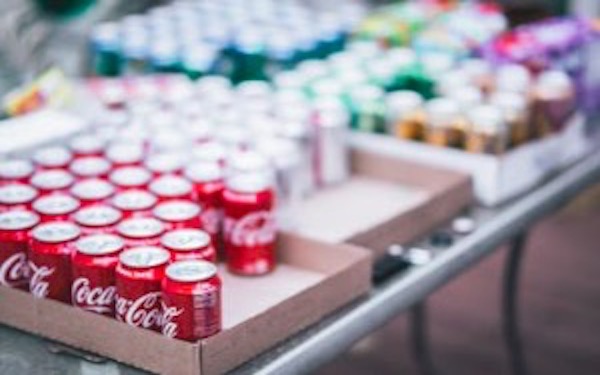
First is the beverage giant Coca-Cola (KO), a long-standing favorite of Buffett. Since its initial investment in the late 1980s, Coca-Cola has become one of the longest-held stocks in Berkshire’s portfolio. Its investment appeal stems from its deeply ingrained brand identity and stable consumer demand. The company boasts a portfolio of over 200 beverage brands, deeply integrated into people’s daily lives, thereby creating a consistent and profitable revenue stream that enables it to continually distribute cash dividends to shareholders. Notably, Coca-Cola has consistently paid and increased its dividend for 62 consecutive years, an exceptional record expected to continue. Its current dividend yield of approximately 3% aligns with its long-term average, making it generally a stable choice for investors focused on dividend returns, especially when purchased at reasonable valuations.
Next is the integrated oil giant Chevron (CVX). This company, tested through industry cycles, is well-accustomed to navigating the sharp fluctuations in oil and gas prices. Leveraging a diversified business structure encompassing upstream extraction and downstream refining, along with prudent management, Chevron maintains stable operations even in challenging environments. Its record of increasing dividends for 37 consecutive years stands as testament to its resilience. Despite societal scrutiny of the fossil fuel industry, oil and gas remain indispensable for the foreseeable future, driven by surging energy demands from AI technologies and persistently high energy consumption in developed nations. Should oil prices remain low for an extended period, Chevron’s earnings and stock price might face pressure, but its current dividend yield of 4.4%—already above its ten-year average of 4.2%—provides a solid foundation for investor returns. Furthermore, the recent acquisition of Hess Corp. injects momentum into its growth prospects for the next decade.
Finally, the relatively newer member of Berkshire’s portfolio—Pool Corp. (POOL). As the world’s largest wholesale distributor of swimming pools and related outdoor living products, while its operations span the globe, the vast majority of its revenue relies on the U.S. market. High-value pool facilities and their ongoing maintenance needs form the foundation of its business; however, a downturn in the real estate market or an economic recession could delay decisions to build new pools, thereby pressuring its performance. Despite this, Pool Corp.’s stock performance since its inception has long outperformed the S&P 500, and management has increased dividends for 14 consecutive years. Currently, due to high-interest rates and inflationary pressures, demand for expensive in-ground pools has slowed, and the company is experiencing a cyclical low point. Precisely during such times of pessimistic market sentiment, when a quality cyclical company faces headwinds, investing often yields substantial long-term returns. This might explain Berkshire’s recent continued accumulation of shares. Its current dividend yield of 1.5% is at its highest level since the 2008-2009 financial crisis. Once the industry cycle recovers and business normalizes, investors who position themselves early stand to benefit from both potential stock price appreciation and dividend growth.