
1911 Gold Corporation (TSXV: AUMB; OTCQX: AUMBF)
1911 Gold is Manitoba’s Gold Standard - Ready, Permitted and High-Grade 1911 Gold is an Emerging Gold Producer, with Significant Cash Flow Generation and District-Scale Growth Potential

As gold prices surge to new highs, investors worldwide are searching for explanations. Two powerful forces are driving the rally: a global wave of “debasement trades” and China’s strategic repositioning within the gold market. Together, they are redefining the metal’s role in the modern financial system.
Gold’s ascent over the past year has closely tracked growing skepticism about the stability of fiat currencies.
Price spikes in April, amid global tariff tensions, and again in August, following dovish signals from Fed Chair Jerome Powell, were superficially driven by geopolitics and monetary policy. Underlying these moves, however, is the “debasement trade”—a market behavior where investors, fearing that central banks will devalue currencies under political pressure to manage debt, rush into hard assets.
This concern finds support in the data. While underlying inflation measures have climbed for six months, the Fed maintains its rate-cut outlook. Market pricing suggests nearly five cuts by the end of 2026. “This policy paradox is eroding central bank credibility,” a macro strategist noted. “When investors realize that preserving currency stability might be sacrificed for debt relief, gold becomes the natural hedge.”
Compounding the issue is a shortage of traditional safe-haven assets. Doubts about fiscal sustainability have tarnished the safe-haven status of both Japan and Germany, with the yen depreciating sharply. Now, only a handful of fiscally prudent nations, like Switzerland, retain full market trust. This global scarcity of safe assets further burnishes gold’s appeal.
In this bull market, China’s role is evolving from major participant to potential rule-maker.
For Beijing, gold provides a firewall against the weaponization of the dollar, observes financial expert Simon Ree. The 2022 freeze of Russia’s foreign reserves marked a turning point for global central bank gold buying. Official sector purchases skyrocketed from 605 tons in 2019 to a peak of over 1,300 tons in the first half of 2023.
China’s actions have been particularly notable. According to Torsten Slok, Chief Economist at Apollo Global Management, China is playing a key role in driving up gold prices through central bank purchases, arbitrage activities, and hedging demand from Chinese households. Data on gold inventories in Chinese futures markets confirms a large-scale accumulation of physical metal.
More significantly, China is positioning itself to become a custodian of other nations’ gold reserves—a role historically dominated by financial powers like the US and UK. If successful, this would signal a profound shift in the architecture of global financial trust.
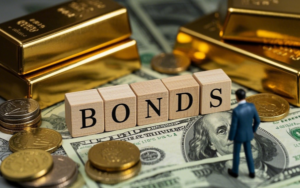
Despite expectations of limited downside for US equities and potential renewed strength in the dollar, gold’s core status appears unshaken. Ray Dalio, founder of Bridgewater Associates, states plainly: Gold is now replacing US Treasury bonds as the risk-free asset in many portfolios. Should this trend solidify, it would challenge the US Treasury-centric reserve system that has dominated for over half a century.
Today’s gold prices reflect more than short-term volatility; they represent a deep-seated contest over the future of the global monetary order. Western observers suspect China’s official purchases far exceed reported figures. Meanwhile, China’s persistent accumulation of gold aligns perfectly with its strategic intent to foster a more diversified international monetary system.
In this trillion-dollar reallocation of wealth, gold is once again proving its timeless value. As history has shown, when faith in paper money erodes, humanity returns to its oldest store of trust. This time, the active participation of a major Eastern power is adding fresh, powerful momentum to that timeless dynamic.