American Tungsten Corp. (TSXV: TUNG, OTCQB: DEMRF)
Building America’s Defense Critical Metals Supply
In a rare direct competition for critical resources, the Trump administration is actively supporting a U.S. company’s bid to develop one of the world’s largest untapped tungsten deposits in Kazakhstan, pitting it against state-backed Chinese rivals, according to people familiar with the matter.
The move underscores a strategic push by Washington to break China’s stranglehold on the supply of rare earths and critical minerals, an issue at the heart of the trade dispute between the two economic superpowers.
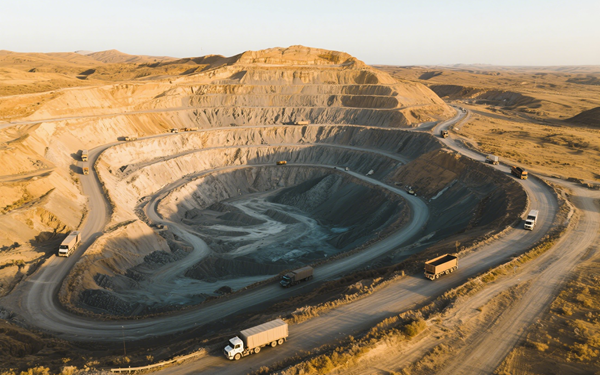
Commerce Secretary Howard Lutnick has facilitated negotiations between U.S. investment firm Cove Kaz Capital Group LLC and Kazakhstan’s sovereign wealth fund, Samruk-Kazyna, regarding the development of the Upper Kairaktinskoye and North Katpar deposits, sources said. The sites are considered among the most desirable untapped tungsten resources globally.
The U.S. government is providing an advocacy role through the International Trade Administration. Financial support for the plan could be made available through federal entities like the U.S. International Development Finance Corporation and the Export-Import Bank, the people said. While details are not final, proposals under consideration include the U.S. offering loans for the deal. A U.S. official, speaking anonymously, said the administration is not currently seeking an equity stake.
The bid aligns with the White House’s concerted effort to diversify supplies of critical minerals. The U.S. Geological Survey (USGS) notes that China accounts for roughly 80% of global tungsten concentrate production. Tungsten, a hard metal used to make ammunition, projectiles, and armor, is listed as a critical mineral by the USGS and is managed by the Pentagon’s Defense Logistics Agency for the national stockpile.
Kazakhstan, though not listed among top global holders in public USGS data, estimates it has over 2 million tons of tungsten in reserve. The Central Asian nation’s tungsten extraction largely halted three decades ago after the Soviet Union’s collapse. New mines are expected to produce supply for 30 to 40 years.
Cove Kaz Capital has been in talks with Samruk-Kazyna for months, sources said, but has faced significant competition from at least one Chinese state-owned enterprise reportedly willing to pay above market price.Under the proposed deal, a joint venture would be established between Cove Kaz Capital and the Kazakh fund. The U.S. company would become the majority owner and operator of the mine, processing the metal within Kazakhstan before shipping it to the U.S. for defense and commercial purposes. Kazakhstan would share in the profits from the venture, valued in the billions of dollars.
The depth of Lutnick’s involvement highlights the Trump administration’s use of unconventional tools to acquire assets deemed critical to national security. Direct negotiations with a foreign nation’s sovereign wealth fund are typically reserved for private companies, not senior U.S. officials.
This tungsten deal marks an extremely rare scenario where the U.S. and China are in a de facto bidding war for a mine in a former Soviet republic. As the global competition for strategic resources intensifies, the outcome of this bidding war in Kazakhstan could significantly reshape the international supply chain for critical minerals.