

1911 Gold Corporation (TSXV: AUMB; OTCQX: AUMBF)
1911 Gold is Manitoba’s Gold Standard - Ready, Permitted and High-Grade 1911 Gold is an Emerging Gold Producer, with Significant Cash Flow Generation and District-Scale Growth Potential
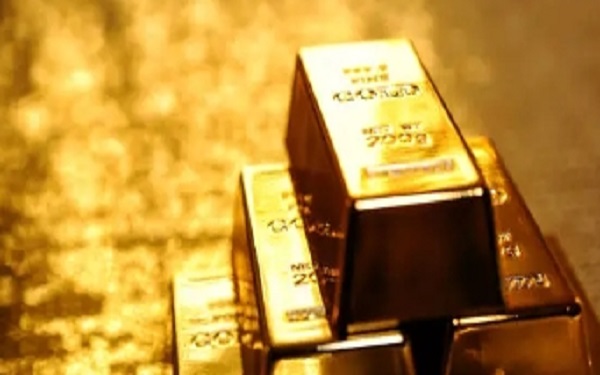
Spot gold price historically broke through the key level of $4,500 per ounce for the first time on Wednesday, reaching an all-time high of $4,525.18 during the session and finally closing at $4,479.38. Since the beginning of this year, gold has accumulated a gain of over 70%, poised to record its largest annual increase since 1979. This milestone breakthrough is not accidental but the result of multiple fundamental forces working together.
The ongoing maritime standoff between the United States and Venezuela has intensified market concerns about the spread of regional conflicts. Historically, geopolitical risks have always been a short-term catalyst for gold’s rise, and this event once again confirms gold’s irreplaceable role as a “crisis hedge.”
Meanwhile, U.S. President Donald Trump has repeatedly publicly called on the Federal Reserve to further cut interest rates, while the market has already priced in at least two rate cuts for 2026. In a low-interest-rate environment, the opportunity cost of holding non-yielding assets like gold decreases, and expectations of a weaker U.S. dollar also enhance the appeal of gold, which is priced in dollars.
Other than that, sustained enthusiasm for gold purchases by global central banks, particularly those in emerging markets, continues to increase gold allocations to diversify foreign exchange reserve risks. This type of buying is strategic and persistent. Industry insiders point out that the current driving force is a “combination of sustained physical demand and renewed sensitivity to macroeconomic risks,” with the market exhibiting a rally “based on deep conviction rather than purely speculative froth.”
The prediction made by Charlie Morris, Chief Investment Officer of crypto asset and analysis firm ByteTree, back in 2020 that “gold will reach $7,000 by 2030” is being re-evaluated by the market due to sustained monetary easing and expanding fiscal deficits. Although consumer inflation has not fully materialized, there is a widespread market expectation that massive liquidity will eventually flow into the real economy, creating long-term inflationary pressure and providing fundamental support for gold.
Besides gold, silver also hit a historic high of $72.70 per ounce on Wednesday, with a year-to-date gain of over 150%, significantly outperforming gold. This rally is substantively supported by physical demand, changing the pattern previously driven solely by leverage. Uneven inventory distribution between warehouses in New York and London, along with the U.S. Department of Commerce’s national security review of critical mineral imports, has exacerbated supply-side uncertainties. Jim Wyckoff, senior analyst at Kitco Metals, expects silver to potentially test $75 by the end of the year.
Driven by tight supply and demand from the automotive and jewelry industries, platinum prices broke through $2,300 today, reaching a record high since data compilation began in 1987, with a year-to-date increase of approximately 145%. However, palladium fell by over 9% in a single day after hitting a three-year high, indicating a technical adjustment following a continuous rally. The divergence in their performances reflects the market’s repricing of the fundamental differences among specific precious metals amid the broad rally.
Analysts note that although technical retracement and profit-taking occurred during Wednesday’s late session, the overall market structure remains healthy. Gold’s quick rebound and breakthrough of its previous high after pulling back from $4,381 in October proves solid buying support below. For gold, the next key technical resistance level is seen at $4,600. Goldman Sachs has set a base-case target price of $4,900 for 2026, indicating strong institutional bullish sentiment. If gold’s upward trend continues, silver may continue to outperform due to its higher volatility. However, caution is warranted against increased volatility following excessive short-term gains.
Overall, all precious metals have seen significant gains recently, and short-term technical adjustments are possible. However, the core logic supporting this bull market—geopolitical uncertainty, a global shift toward accommodative monetary policies, de-dollarization demand for reserves, and structural inflation expectations—shows no signs of reversal in the foreseeable future. Against the backdrop of continued central bank gold purchases, ETF inflows, and evolving geopolitical dynamics, the precious metals market’s bullish tone is likely to continue into 2026.