


Pinnacle Silver & Gold Corp (TSXV: PINN)
Building a New Americas-Focused Silver and Gold Company
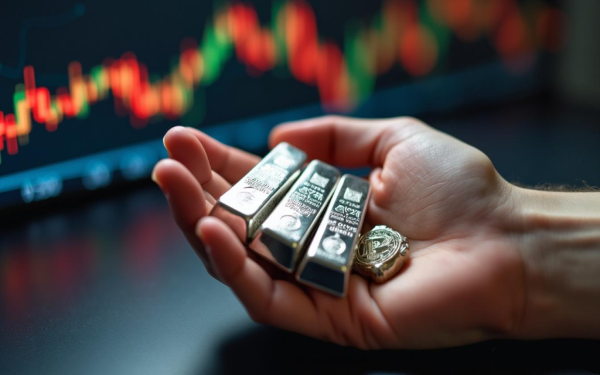
The precious metals rally extended its impressive run in 2025 on Monday, with silver leading the charge. The white metal surged over 3% to touch $63.94 per ounce, while gold held firmly above the $4,300 per ounce level. The immediate trigger was a disappointing New York State manufacturing report, which rekindled expectations for additional Federal Reserve rate cuts and weighed on the U.S. dollar.
However, attributing this bull market solely to short-term monetary policy expectations may underestimate deeper, more resilient forces at play. The silver market is currently experiencing a rare convergence, being driven by both its financial and industrial attributes.
The latest data showed a sharp contraction in New York manufacturing activity, with the index falling into negative territory for the first time since September. This has strengthened investors’ bets on more Fed easing. The prospect of lower interest rates reduces the opportunity cost of holding non-yielding assets like silver, providing direct support to prices.
Simultaneously, signals of tightness persist in the physical market. Inventories are constrained in key industrial hubs, forcing buyers to pay significant premiums to secure immediate supply. This “struggle to source” physical backdrop provides a solid foundation for futures prices.
Beyond short-term volatility, a structural demand shift is paving the way for a long-term bullish trajectory for silver.
First, its strategic importance has gained official recognition. Silver’s recent addition to the U.S. critical minerals list underscores its indispensable role in the energy transition and high-tech sectors.
Second, the global green and digital revolutions are fueling unprecedented industrial demand. According to a recent report by the Silver Institute prepared by Oxford Economics:
Despite the clear bullish narrative, the path forward is not without bumps. Profit-taking has emerged after recent record highs, and the gold-to-silver ratio compressed to around 68 indicates silver’s relative valuation has risen sharply, potentially amplifying near-term volatility.
Market attention has now shifted to upcoming U.S. jobs and inflation data, which will recalibrate expectations for the Fed’s 2026 policy path. Fed Chair Jerome Powell has previously hinted at the potential for further rate cuts next year, which would maintain a supportive macro backdrop for precious metals.
In summary, the silver market stands at a unique crossroads: investment demand is surging on monetary policy expectations, while industrial demand is becoming entrenched due to technological revolutions. This confluence means silver’s bull story is far more profound and complex than a mere short-term price frenzy.



