Albemarle (ALB) delivered fourth-quarter results late Wednesday that underscored a painful disconnect: lithium prices have more than doubled off their mid-2025 lows, but the world’s largest lithium producer still can’t turn a profit.
The company posted an adjusted loss of 53 cents per share for the quarter, narrower than the year-ago loss of $1.09 but still wider than the 49-cent loss analysts had expected. Net sales rose 16% to $1.4 billion, beating the consensus estimate of $1.347 billion, driven by a 12% increase in sales volume. Investors were unimpressed: shares slid 3% in extended trading.
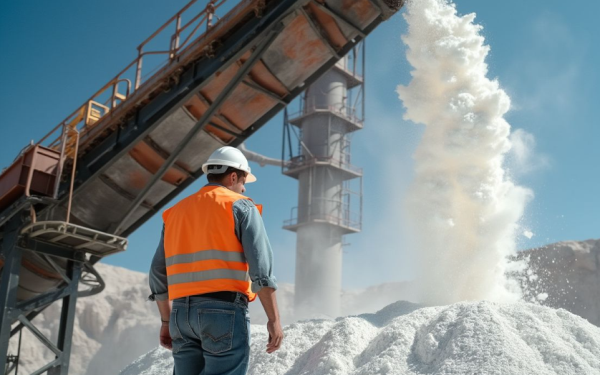
Making matters worse, Albemarle announced it will idle the remaining operations at its Kemerton lithium conversion plant in Australia—a facility already partially shuttered. The move underscores a sobering reality: higher lithium prices alone aren’t enough to fix the structural cost disadvantages of Western hard-rock processing.
“Recent lithium price improvements alone are not enough to offset the challenges facing Western hard-rock lithium conversion operations,” the company acknowledged in its earnings presentation.
Lithium markets have indeed staged a dramatic recovery. The S&P GSCI Lithium Index more than doubled between early December and late January, and Macquarie analysts forecast prices to climb from $9,041 per ton last September to $10,000 by the second half of 2026.
Wall Street has taken notice: over the past month, more than a dozen analysts raised their price targets on Albemarle, and four upgraded the stock to Buy or Overweight. Truist lifted its target to $205 from $125 in January, citing strong demand from energy storage and electric vehicles. RBC Capital raised its target to $200 from $159, projecting EBITDA to grow from an estimated $1.05 billion in 2025 to $1.67 billion this year.
Yet for Albemarle, the lithium rebound has not yet translated into black ink. The company’s deep losses in 2024 and 2025 were scars from the brutal 90% collapse in lithium prices between late 2022 and mid-2025. Now that prices are recovering, Albemarle remains trapped by high conversion costs and operational inefficiencies.
Chairman and CEO Kent Masters struck a patient tone. “Even as market conditions improve, we continue to drive cost reduction and productivity actions to enable long-term growth, powered by our world-class resources,” he said.
Investors have been listening—and betting. Albemarle’s stock has rallied nearly 250% since last April, finding consistent support along its 10-week moving average. But Wednesday’s after-hours pullback suggests the market is now demanding more than just a recovery narrative.
The company did raise its 2030 global lithium demand forecast by 10% from its May estimate, signaling long-term conviction. It also expects 2026 capital expenditures to remain roughly flat year over year as it focuses on productivity gains and resource development. Still, the Kemerton idling tells a more cautious story. “Even as market conditions improve,” the company said, the math on Western lithium processing still doesn’t add up.
For now, Albemarle is waiting—for costs to fall, for prices to rise further, and for the day when “narrowing losses” finally becomes “profit.” The stock held above its 50-day moving line in extended trading, but the message from Wednesday was clear: the wind is picking up, but the sails aren’t fixed yet.