Despite facing headwinds in its electric vehicle business, delays in robotaxi deployment, and Elon Musk’s political engagements, Tesla (TSLA) has demonstrated notable stock resilience. The primary catalyst behind recent investor optimism is a significant milestone in the company’s humanoid robot program, Optimus.
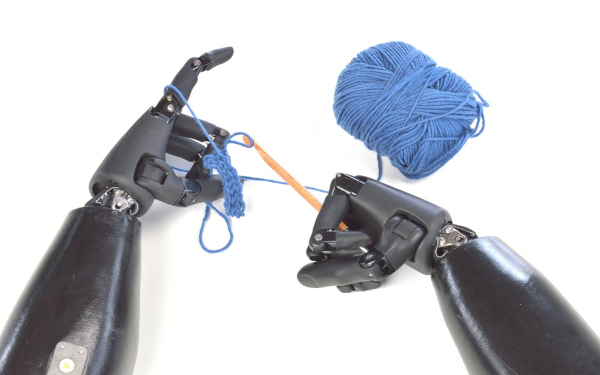
During the fourth-quarter and full-year 2025 earnings call, Elon Musk informed investors of a major strategic shift: Tesla plans to redirect production capacity at its Fremont, California facility away from the Model S and Model X. Production of these premium EVs will be gradually phased down to accommodate assembly lines for Optimus robots. This decision signals that Tesla is elevating Physical AI to a strategic priority on par with its electric vehicle business.
A key factor in Tesla’s automotive success has been layering high-margin services onto core hardware products. Full Self-Driving capability, for instance, requires a subscription, generating substantial recurring revenue and free cash flow.
This strategy will be directly applied to Optimus. Beyond initial hardware sales, Tesla plans to charge customers software subscription fees, enabling robots to continuously learn new tasks and improve operational precision. By combining high-margin software services with hardware sales, Optimus is positioned to become a significant future profit driver.
While Musk emphasized that Optimus Gen 3 pilot production will not commence until late 2025 and will have no immediate financial impact, capital markets are already pricing in long-term returns. Wall Street analysts broadly project Tesla’s earnings will return to growth in 2026, with earnings per share expected to double by 2028. These projections hinge less on EV sales volume and more on Tesla’s execution in artificial intelligence, particularly the scaled deployment of Optimus over the next two years.
If Tesla meets its targets, robotics-driven earnings growth could propel the stock higher, solidifying the company’s first-mover advantage in Physical AI. Risks remain, however. The humanoid robot sector is becoming increasingly competitive, and uncertainties persist regarding production ramp-up, technological iteration, and commercialization timelines. Nevertheless, by year-end, markets may witness the first mass-produced version of Optimus leaving the factory, inaugurating the “humanoid robot era” for Tesla.