
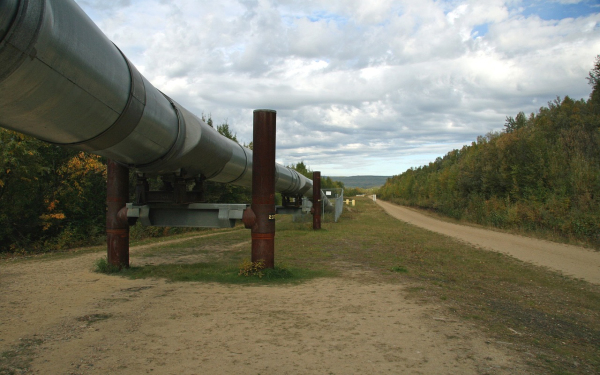
This week, the Trump Administration issued an emergency order directing Sable Offshore (SOC) to restart the Santa Ynez pipeline system, shut down for nearly 11 years since a major oil spill. The rationale: easing global supply constraints amid the war with Iran. Investors cheered, sending SOC shares up nearly 7% in a single session.
The federal order appeared to throw a lifeline to a struggling energy company. With the pipeline set to resume flows by April 1 at 50,000 barrels per day—scalable to 200,000—Sable finally had a chance to monetize offshore platforms that have sat idle on its books for years.
But while retail traders celebrated, sophisticated money was heading for the exits.
Two separate SEC filings told a very different story. Cooper Creek Partners Management liquidated its entire position in the fourth quarter—all 4.1 million shares—cashing out roughly $71.6 million at then-market values. Shay Capital followed suit, slashing its stake to just 50,000 shares, pocketing about $6 million. Both funds chose to walk away before the Trump headlines hit, voting with their feet in the clearest possible terms.
The answer lies in Sable’s latest financials.
For 2025, the company reported a staggering net loss of $410 million, driven largely by restart-related operating costs and non-cash charges. More troubling: year-end balance sheets showed $922 million in debt against just $97.7 million in cash. That’s a debt-to-cash ratio north of nine. And the core Santa Ynez assets? Zero commercial production since the 2015 Refugio spill. The company has effectively been burning capital in neutral for a decade.
Even with the pipeline restart, near-term cash flow will go toward servicing debt—not rewarding shareholders. For institutional investors, this stopped being a growth story long ago. It’s now a high-stakes balance sheet gamble.
Then there’s the regulatory sword hanging overhead.
Trump’s order doesn’t override California. The state is actively suing to block full restart, and the Department of Parks and Recreation has demanded Sable remove pipeline segments crossing state park land. The memory of 142,000 gallons of crude fouling one of the West Coast’s most biodiverse areas hasn’t faded. Environmental groups and local officials remain fiercely opposed.
Translation: even if oil starts flowing, a court could shut it down again at any moment. For a single-asset, debt-heavy company with minimal cash buffer, that kind of uncertainty isn’t a risk—it’s a death sentence.
The Cooper Creek and Shay liquidations flash bright warning lights:
First, policy isn’t permanence. A federal order can open the valve, but it can’t close the courthouse doors. Regulatory battles are unpredictable, and Sable has zero room for error.
Second, the balance sheet is toxic. Nine times more debt than cash means any operational hiccup could trigger a liquidity crisis. With oil prices whipsawing on Middle East tensions, a single-asset structure offers no cushion.
Third, institutions see landmines retail investors don’t. When long-term holders exit at any price, they’re usually signaling unseen dangers: a pending lawsuit, failed refinancing, or production timelines slipping further.
Trump’s emergency order gives SOC shares a short-term jolt—and the rally may have legs while the news cycle runs. But the funds that just walked away are sending a message that prudent investors should hear. Until Sable delivers actual production numbers and proves it can navigate California’s regulatory gauntlet while servicing crushing debt, every price spike looks less like an opportunity and more like an exit ramp for those who got in early.
For ordinary investors, the smartest move might be listening to the silence left behind by those who just left the building.