
Pinnacle Silver & Gold Corp (TSXV: PINN)
Building a New Americas-Focused Silver and Gold Company

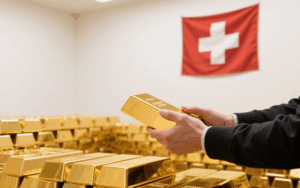
The gold and silver markets have experienced sharp sell-offs, taking many investors by surprise. Traditionally, precious metals are regarded as safe-haven assets, offering security during times of market turmoil. However, this time, both gold and silver prices have plunged sharply, mirroring the broad-based declines seen across asset classes such as equities, industrial metals, and bonds under the impact of conflicts.
This market movement directly affects the performance of major mining companies, including listed firms such as SSR Mining (SSRM) and Hecla Mining (HL). Market analysis suggests that investors should consider positioning themselves during the ongoing correction phase. Looking ahead, precious metal prices are expected to resume their upward trajectory after facing short-term pressure.
According to JPMorgan data, gold accounted for 2.8% of investor portfolios at the end of 2025 — a figure that, while seemingly modest, has doubled compared to a decade earlier. Data from the Silver Institute and the World Gold Council show that gold investment demand in 2025 increased by nearly 990 metric tons year-on-year, while silver investment demand rose by 13.5 million ounces. Over the same period, demand from other sources such as jewelry and silverware decreased by 620 metric tons and 29.4 million ounces, respectively. These figures clearly indicate that high price levels have significantly dampened marginal demand. Meanwhile, investor positions in gold and silver accumulated in 2025 are currently undergoing a process of reduction.
Despite short-term uncertainties, the long-term demand drivers for the two major precious metals remain positive. Taking silver as an example, industrial demand accounts for approximately 59% of total demand, and in 2025, this segment remained broadly flat compared with the previous year. With the acceleration of next-generation data center construction, silver’s application scenarios are expected to expand further, providing support for its price upside.
From the perspective of the evolving structure of global official reserves, the share of gold has shown a clear upward trend since the 2008–2010 financial crisis. Data from the International Monetary Fund indicates that this share rose from 6% in 2008 to nearly 13% by the end of 2024. Behind this trend lies growing concern over counterparty risks associated with holding U.S. Treasury debt, driven by the continuous rise in U.S. debt levels, as well as potential worries that U.S. Treasury holdings by certain countries could be frozen due to geopolitical factors. Given that U.S. debt issues and geopolitical tensions are unlikely to be resolved in the short term, any significant correction in gold prices may trigger central banks to resume buying.
In summary, gold and silver face downward pressure in the short term due to investor selling, but their long-term fundamental support remains solid. For the precious metals market, any deep correction could represent a rare opportunity for portfolio allocation.