
1911 Gold Corporation (TSXV: AUMB; OTCQX: AUMBF)
1911 Gold is Manitoba’s Gold Standard - Ready, Permitted and High-Grade 1911 Gold is an Emerging Gold Producer, with Significant Cash Flow Generation and District-Scale Growth Potential
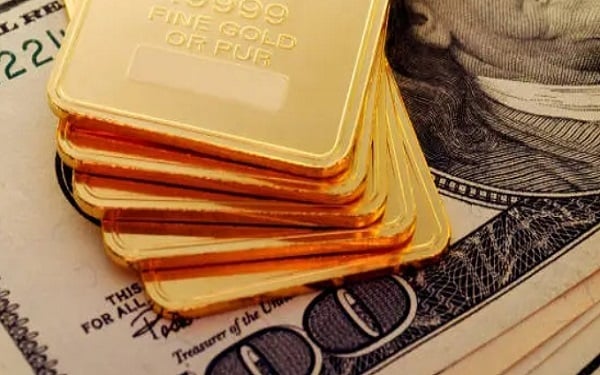
After a historic surge of more than 25% within the first month of the year, briefly approaching 5,600perounce, gold has fallen into a prolonged tug−of−war over the following three months. As of April 28, spot gold had fallen to around 4,612 per ounce, down approximately 18% from its intra-year high.
In its latest Commodity Markets Outlook released on April 28, the World Bank provided a clear quantitative footnote to this perplexing situation: there is a clear “ceiling” above gold prices. The World Bank expects gold to average around 4,700 per ounce in 2026. Silver follows a similar trajectory, with an average price forecast of around $70 per ounce, almost exactly matching today’s price. More critically, the World Bank projects that both gold and silver prices will fall by about 7% in 2027. This implies that a leading international institution believes precious metal prices have essentially “topped out” over the next two years.
An unprecedented reversal of logic
The most dramatic challenge facing gold today is that the transmission path of geopolitical risk has fundamentally reversed course.
The outbreak of the Iran-US war in late February 2026, by conventional logic, should have directly boosted safe-haven demand and benefited gold. However, following the effective blockade of the Strait of Hormuz, Brent crude prices have remained above $100 per barrel, which the International Energy Agency has called “the most severe energy supply shock on record.” The surge in oil prices has directly fueled inflation expectations, instead forcing markets to bet that central banks will maintain high interest rates for an extended period – a heavy weight on non-yielding gold. The positive impact of geopolitical safe-haven demand has been overwhelmed by tightening macroeconomic conditions.
Market pricing has clearly reflected this logical shift: the CME FedWatch model shows that expectations for interest rate cuts in 2026 have all but disappeared, with the first rate cut possibly delayed until 2027. At the same time, real yields on U.S. Treasuries have risen back above 2%, and the U.S. dollar index remains elevated at 105, together constituting major macro headwinds for gold.
In short, the geopolitical conflict in the Middle East has not made gold a safe-haven winner. Instead, it has backfired on gold’s fundamental support through the transmission chain: “high oil prices → high inflation → high interest rates → gold price pressure.”
Supporting factors remain, but the ceiling is equally clear
Of course, it is too early to declare that gold has peaked. Medium- and long-term support factors still exist: global central banks continue to accumulate gold. As of the end of March, the People’s Bank of China had increased its holdings for the 17th consecutive month, purchasing approximately 49 tonnes of gold. Structural demands such as de-dollarization and high sovereign debt remain unchanged.
Yet these medium- to long-term “foundations” have not prevented prices from repeatedly testing support around $4,620 per ounce in the short term. Today’s rigid dilemma is: as long as energy prices do not fall and inflation expectations do not cool, interest rates will not ease, and gold will struggle to gain breakthrough momentum. Conversely, if geopolitical tensions truly ease and oil prices drop sharply, gold would lose its remaining safe-haven buying.
Meanwhile, J.P. Morgan still maintains its year-end target of $6,300 per ounce. However, as long as the standoff in the Strait of Hormuz and the structural shock to global energy supply persist, the “ceiling” described by the World Bank will be difficult to break.