
SLAM Exploration Ltd. (TSXV: SXL)
‘Exploring for critical elements and precious metals in New Brunswick, Canada.’
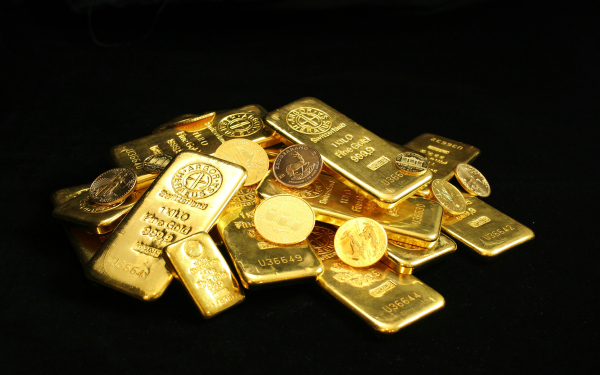
Global markets diverged sharply in early Monday trading, with spot gold and silver climbing notably alongside a steep decline in crude oil prices. Spot gold traded at $4,554.80 per ounce, marking a 1.00% gain, while spot silver stood at 77.805, surging 3.03%. The market moves were primarily driven by evolving geopolitical developments in the Middle East, which have reshaped gold’s pricing framework through a clear transmission chain linking crude prices, inflation outlooks and interest rate expectations.
Optimism over a potential peace deal between the U.S. and Iran has eased supply risks surrounding oil shipments via the Strait of Hormuz. Crude prices slid to a two-week low as a result. Brent crude fell below $100, while U.S. WTI crude traded near $91.83 per barrel. The pullback in oil has alleviated market concerns over energy-fueled inflation. Combined with a weaker U.S. dollar and diminished expectations for higher Treasury yields, these factors have delivered solid support to precious metals.
Looking back at recent trends, the outbreak of conflicts involving Iran in late February pushed oil prices higher and stoked widespread inflation fears, which in turn ramped up market expectations for Federal Reserve rate hikes. As a non-interest-bearing asset, gold becomes less attractive when borrowing costs rise, and its holding costs increase accordingly. Driven by this dynamic, gold had lost around 14% since the tensions flared, creating a pattern where rising oil prices weighed on bullion. The latest de-escalation in the Middle East has reversed this market logic. Although a finalized U.S.-Iran agreement would trim gold’s safe-haven appeal given reduced geopolitical risks, the positive effects from easing inflation pressure and softer rate expectations remain dominant for now. It is also noted that the two sides still hold disagreements on multiple key issues.
The easing Middle East tensions have triggered synchronized moves across global asset classes. Major equity markets across Asia and Europe posted broad gains. Japan’s Nikkei 225 rose nearly 3%, while Europe’s Stoxx 600, France’s CAC 40, Germany’s DAX and the UK’s FTSE 100 all advanced. The U.S. Dollar Index continued to weaken, and rate-sensitive assets also drew strong buying interest, further reflecting how shifting inflation and interest rate expectations are rippling through global financial markets.
Analysts at UBS pointed out that crude oil prices currently exert far-reaching influence across financial assets, and gold is no exception. The drop in oil has altered market views on the Federal Reserve’s monetary policy trajectory and fueled gold’s rebound, a trend that is set to persist in the near term. Market pricing for Fed policy has shifted dramatically compared with the period before the Middle East conflicts. Traders now assign a 40% probability to a 25-basis-point interest rate hike by the Fed in December, whereas economists previously widely anticipated two rate cuts for this year. A new chair of the Federal Reserve was sworn in last Friday. Inflationary pressures stemming from the Middle East turmoil have emerged as a critical challenge for U.S. economic performance and monetary policy formulation.