

1911 Gold Corporation (TSXV: AUMB; OTCQX: AUMBF)
1911 Gold is Manitoba’s Gold Standard - Ready, Permitted and High-Grade 1911 Gold is an Emerging Gold Producer, with Significant Cash Flow Generation and District-Scale Growth Potential
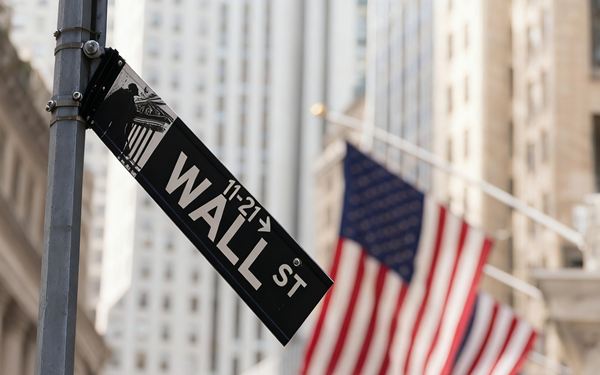
On May 15, Jerome Powell ended his second term as Federal Reserve chair, clearing the way for President Donald Trump’s nominee, Kevin Warsh, to officially take over as the 17th head of the Fed since its creation in 1913. Outside observers had expected that, as Trump’s hand-picked successor, Warsh would avoid the kind of public friction that characterized the final period of Powell’s tenure. However, economic realities and Warsh’s distinct monetary policy stance are pushing the two toward another potential confrontation — and Wall Street may end up paying the price.
Disagreements between Trump and Powell were commonplace over the past year. Since the start of Trump’s second term in January 2025, he has repeatedly publicly criticized Powell and the Federal Open Market Committee (FOMC) for not cutting interest rates aggressively enough. Trump has openly called for rates to be slashed to 1% or lower — the current federal funds target rate remains between 3.5% and 3.75%. Trump’s logic is straightforward: lower rates would stimulate employment, encourage corporate innovation, and, more importantly, ease the pressure of servicing the U.S. government’s $39 trillion national debt.
But Powell did not comply. He repeatedly emphasized that monetary policy decisions depend on economic data, not political pressure, and pointed the finger at Trump’s tariff policies and the energy supply shock caused by the Iran war as reasons for persistently high inflation.
Now that Warsh has taken office, the situation has not improved — it may have become even more棘手 (tricky). During his previous tenure on the FOMC from 2006 to 2011, Warsh consistently showed a “hawkish” stance — even as the unemployment rate surged, he frequently opposed rate cuts and favored higher interest rates to suppress inflation. And inflation is now rising rapidly: due to Iran’s blockade of the Strait of Hormuz, the trailing 12-month inflation rate has climbed from 2.4% to 3.8% over the past three months, and the Cleveland Fed estimates it will reach 4.18% in May, the highest level since April 2023.
More critically, Warsh has long criticized the Fed’s bloated balance sheet. After years of quantitative tightening, the Fed still holds about $6.7 trillion in assets. Warsh advocates a significant reduction in the balance sheet, shifting the Fed from an active market participant to a passive observer. However, bond prices and yields move inversely — selling trillions of dollars in Treasury bonds would push yields higher and increase borrowing costs, which runs directly counter to Trump’s demands for lower interest rates.
If the public spat between Trump and the Fed simply continues with a new opponent, the stock market will likely end up paying the price. In a historically overvalued market, the dual pressures of policy uncertainty and worsening inflation could make Wall Street the biggest loser in this power struggle.