
Southern Silver Exploration Corp. (TSXV: SSV, SSEV: SSVCL, OTCQX: SSVFF)
Southern Silver, a low-risk junior development company with substantial upside potential that is emerging as one of the premier Ag-Pb-Zn companies in Mexico
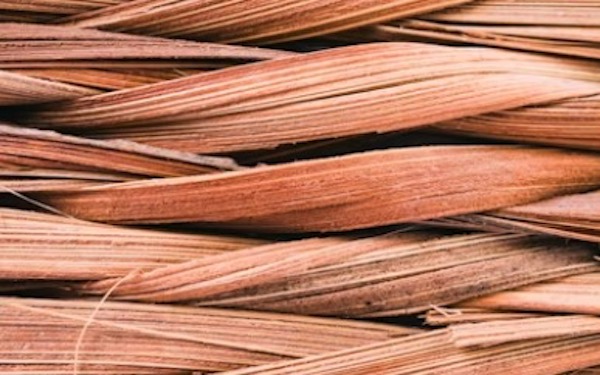
The copper industry may be focusing on the wrong metrics. While miners and smelters grapple with falling treatment charges and refining charges (TC/RC) and persistent shortages of copper concentrates, sulfuric acid is quietly emerging as a critical variable in the copper value chain. Recent moves by Chinese copper smelters to increase purchases of pyrite—commonly known as fool’s gold—are not an isolated niche event, but rather the clearest signal that sulfur is becoming a valuable component within copper concentrates. With treatment charges turning negative and sulfuric acid prices remaining high, sulfur is no longer merely a byproduct but is beginning to serve as a significant source of smelting profitability (for related company stock tickers, refer to sector ETFs such as COPX). This shift carries profound implications for miners, smelters, and investors alike.
Traditional copper concentrate pricing models have largely been constructed around the value of copper metal, with other elements long treated as secondary. However, recent actions by Chinese smelters are upending this assumption. According to Reuters, at least six Chinese smelters have increased pyrite purchases this year, with imports of unroasted pyrite reaching nearly 392,000 tons in the first four months of 2026—the highest for the period since 2014. Although the absolute volume remains far below the tens of millions of tons of copper concentrate imported over the same period, the trend matters more than the number. Theoretically, one dry metric ton of feed containing 30% sulfur can generate approximately 0.87 tons of sulfuric acid, and at current profit margins, this revenue stream is consequential in an environment where spot treatment charges are mired in negative territory. Data show that Chinese sulfuric acid prices have risen roughly fivefold over two and a half years, and are expected to provide an estimated $1.5 billion in earnings support for domestic copper smelters in 2025.
That said, this does not mean all high-sulfur concentrates have suddenly become highly attractive. The iron in pyrite increases slag volume, copper losses, and maintenance costs, while high sulfur content also places stress on acid plants. The ultimate winners will not be those that purchase the most, but rather operators who understand their own production bottlenecks and can precisely assess where incremental sulfur creates net value within their specific facilities. The associated economic benefits are heavily dependent on plant-specific factors such as acid storage capacity, logistics conditions, and impurity tolerance. What truly matters is the net margin after deducting freight, conversion costs, and operational risks, rather than the simple spot price of sulfuric acid.
This trend carries significant implications for concentrate sellers. In the past, sulfur was often treated as a risk factor incurring penalty charges; today, miners must rethink value distribution, and mechanisms such as acid-linked pricing and sulfur premiums may coexist with traditional concentrate contracts in the future. Geopolitical effects are also notable. China operates the world’s largest smelting system, while Chile relies heavily on sulfuric acid for copper leaching. Reports indicate that Chinese exports of sulfuric acid to Chile fell to zero in March of this year, underscoring how acid availability can affect copper production far beyond smelter gates. Investors should also be alert to the fact that most valuation models treat sulfuric acid revenues as a secondary factor; however, acid income can buffer profits during concentrate shortages, but it may also dissipate quickly when supply normalizes.
The market’s biggest misconception is to reduce this simply to a story about pyrite. The more important development is that sulfur itself is beginning to capture measurable market value within copper smelting economics. Copper is increasingly being priced not as a single metal, but as a “package” comprising metals, sulfur, and industrial chemicals. Whether this change proves temporary or structural remains to be seen, but contract negotiations, concentrate valuations, and investment decisions will inevitably adapt accordingly. For participants who continue to treat sulfuric acid as a mere byproduct, they risk missing one of the most significant transformations in today’s copper market.