
District Metals Corp. (TSXV:V.DMX. Nasdaq: DMXSE SDB)
Advancing the Largest Undeveloped Uranium Deposit in the World
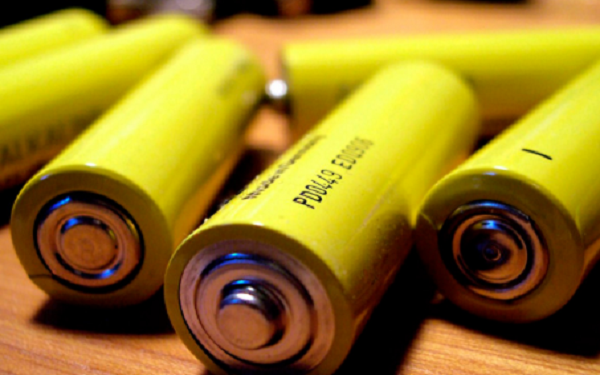
This week, global power battery giant Contemporary Amperex Technology Co. Ltd. (CATL) simultaneously delivered significant signals on both the materials and resources fronts, drawing widespread market attention.
On July 6, CATL announced a strategic investment in CarbonScape, a New Zealand-based bio-based graphite materials developer, jointly acquiring a 20% stake with Hong Kong-based investment firm Lochpine Capital. Under the agreement, CarbonScape’s technology will undergo demonstration-scale testing at CATL’s facilities in China, with the goal of achieving commercial bio-graphite production by the end of the decade.
Graphite is the largest single material component in lithium batteries, with each electric vehicle containing approximately 50 to 100 kilograms of graphite—more than lithium, nickel, and cobalt. Currently, over 75% of the graphite used in batteries globally comes from petroleum-based feedstocks. CarbonScape’s technology, however, enables the production of battery-grade graphite from forestry waste at a cost comparable to conventional graphite, while generating negative carbon emissions. CarbonScape projects that global demand for battery-grade graphite will increase roughly sixfold between 2025 and 2040.
A CATL official responsible for global business development commented that the technology “aligns with the vision of a zero-carbon future by redefining how critical materials are sourced and produced.” This is not CATL’s first foray into bio-based materials—in 2025, the company established a joint venture through its platform with Cathay Biotech to build an annual production capacity of 2.5 million sets of bio-based battery shells. From cell packaging to anodes, CATL is accelerating the green substitution of battery materials.
Lithium Mine Restart Sparks Market Reactions
On the same day, another development also captured market attention. Multiple media outlets reported that CATL had issued spodumene concentrate supply notices to its partner lithium salt refineries, planning for full-capacity production schedules—signaling that the restart of the Jianxiawo lithium mine is entering a substantive implementation phase. Earlier, the preliminary land use approval for the mine had already triggered sharp market reactions, with lithium carbonate futures plunging nearly 10% over two trading sessions and briefly falling below the RMB 150,000/ton level.
The Jianxiawo lithium mine has an annual production capacity of approximately 46,000 tons of lithium carbonate, representing about 3% of global supply. Since its suspension in August 2025 due to the expiration of mandatory permits, the mine’s restart has remained a bellwether for the lithium carbonate market. Analysts point out that while the mine’s low-grade ore presents challenges—and the restart still faces multiple regulatory hurdles, including environmental impact assessments for tailings facilities and safety production permits—the supply chain production signals are now clear, with considerable incremental supply expected in the second half of the year.
Strategic Depth vs. Short-Term Impact
The two developments may appear independent, but together they outline CATL’s strategic contours: on the resources front, consolidating existing supply chain advantages through the lithium mine restart; on the materials front, seizing the high ground in next-generation green materials through forward-looking positioning. While commercial deployment of bio-graphite remains years away, the strategic significance of this move is unmistakable against the backdrop of a global graphite supply landscape dominated by China and structural deficits facing the rest of the world.
Looking ahead, the lithium carbonate market continues to price in various information through ongoing trading dynamics. What remains certain, however, is that whether through short-term resource allocation or long-term technology development, CATL is reinforcing its core position across multiple dimensions of the global battery supply chain.