
Prismo Metals Inc. (CSE:PRIZ)
A leadership team with a proven ability to explore, operate and develop precious metal discoveries.
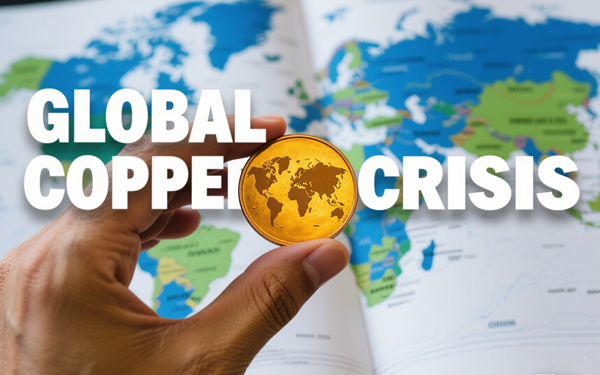
Copper surged to an all-time high on the London Metal Exchange, with three-month futures touching $14,533 a ton. The metal has climbed 17% over the past year, propelled by chronic supply tightness and an intensifying squeeze on near-term inventories.
The immediate trigger is speculation that President Donald Trump will extend tariffs to refined copper imports. The Commerce Department was due to advise the White House two months ago, yet no decision has been announced. Since Trump first floated copper levies in February last year, Comex futures have commanded a persistent premium over LME prices, opening a lucrative arbitrage. Traders have responded by shipping massive volumes into the US, draining deliverable metal elsewhere.
The exodus has left LME warehouses critically depleted. A major squeeze hit the market last month, and while fresh deliveries have offered partial relief, spot copper still trades at a steep premium to three-month futures — a state of backwardation that signals immediate scarcity.
Longer term, ageing mines are failing to keep pace with demand from data centers, renewable energy and power grids. Copper bulls have touted this structural gap for years, and it is now playing out in real time. High prices may eventually spur substitution toward aluminum, but demand destruction has yet to slow the rally.
In a near-simultaneous move, BHP — the world’s largest miner — and Poland’s KGHM signed a memorandum of understanding to jointly hunt for new copper deposits worldwide. The pact allows both companies to identify mutual areas of interest, exchange technical expertise and compare operating practices, potentially extending beyond their current operating regions.
KGHM is the world’s second-largest silver producer and the EU’s largest mined copper producer, with assets in Poland, the US, Canada and Chile. BHP operates across Australia, Canada, Chile, Peru, Brazil and the US.
“The world will need more copper, driven by traditional economic growth, the energy transition, and digital investments,” BHP CEO Brandon Craig said. “We are focused on unlocking high returning growth through innovative partnerships like this one.”
The MoU creates a framework for evaluating projects where combining technical capabilities could unlock additional output. KGHM president Remigiusz Paszkiewicz called it “a structured framework for further discussions,” while vice president Anna Sobieraj-Kozakiewicz said cross-regional experience exchange could benefit the wider industry. The agreement remains exploratory, with no commitment to specific projects. Both miners plan to refine priorities before determining where cooperation can deliver tangible value.
With copper at record highs and two major miners moving to secure future supply, the long-predicted copper supercycle is suddenly looking far more convincing.