
Prismo Metals Inc. (CSE:PRIZ)
A leadership team with a proven ability to explore, operate and develop precious metal discoveries.
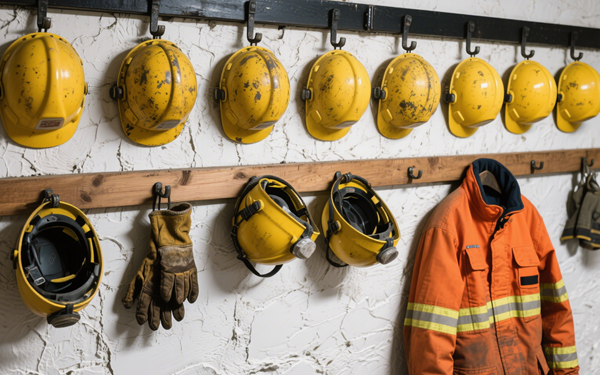
Copper climbed Thursday as a walkout at Antofagasta Plc’s Centinela mine in Chile stoked fresh concerns over supply disruptions, while expectations of renewed Chinese buying after a week-long holiday also underpinned prices.
Benchmark three-month copper on the London Metal Exchange rose 1% to $14,614.50 a ton, after touching $14,646.50, its highest level in nearly two weeks.
The strike at Centinela — one of Antofagasta’s (LSE: ANTO) four Chilean operations — began at 8 a.m. local time Wednesday after government-mediated wage talks failed to bridge the gap between the company and unions. The Minera Esperanza and Distrito Centinela unions, representing 709 employees or 22% of Centinela’s direct workforce, rejected a latest offer that included a 2% base-wage increase above inflation, a one-time payment of 22.5 million Chilean pesos, a 3.5 million peso low-interest loan and improved benefits.
BMO Capital Markets said in a note Thursday that the stoppage has disrupted mining, haulage and mine-development activities, although processing plants can continue operating in the near term. The impact on copper output could become more visible from November if the strike persists, the bank said.
Antofagasta said it remains willing to negotiate with the unions and doesn’t expect the disruption to change its production outlook. Centinela produced 240,400 tonnes of copper last year, up 7% from 2024. The stoppage is the first strike at the mine and only the second in Antofagasta’s corporate history.
Still, the market reaction was direct: Antofagasta shares fell 0.8% to £36.64 in London morning trading, extending Wednesday’s 3.6% decline. The company has a market value of about £36.1 billion ($47.7 billion).
Copper’s gains Thursday also reflected expectations that Chinese buyers would rebuild inventories after the National Day holiday, according to CRU Group principal analyst Craig Lang. Low inventories and mounting risks to mine supply have heightened concerns about the availability of metal.
The Centinela walkout is far from an isolated event. Supervisors at BHP’s (ASX, LSE: BHP) Escondida — the world’s largest copper mine — have also rejected a latest offer, clearing the path toward a possible strike.
A new assessment by GEM Mining Consulting rated an average 5.2% of production at Chile’s 14 major copper operations as at risk across eight threat categories, with scores ranging from 2.6% to 9%. El Teniente ranked highest at 9%, followed by Los Pelambres at 8% and Escondida at 7.5%. Nine of the 14 operations carry at least one risk rated high, and Centinela’s labor risk is also rated high.
GEM said the highest-risk operations stand out because multiple vulnerabilities overlap rather than because of any single threat. At El Teniente, high geotechnical and safety risks combine with four medium-rated categories. Los Pelambres carries high weather and water exposure. Escondida has high ratings for both labor and safety. Lundin Mining (TSX: LUN) has also cut its copper outlook as Chilean storms hit operations.
The pressure is already visible in output data. Chile produced 9.3% less copper in the first seven months of the year than in the same period of 2025, while July output sank to its lowest monthly level since 2011, GEM said.
For now, Antofagasta is sticking to its production guidance. But a prolonged Centinela stoppage could cut ore supplies to its processing plants, adding to concerns about copper availability in an already tight market.