The London Metal Exchange is considering introducing a contract for lithium, a mineral that is in heavy demand because of its use in electric cars, as the 140-year old company tries to reverse a fall in volumes.
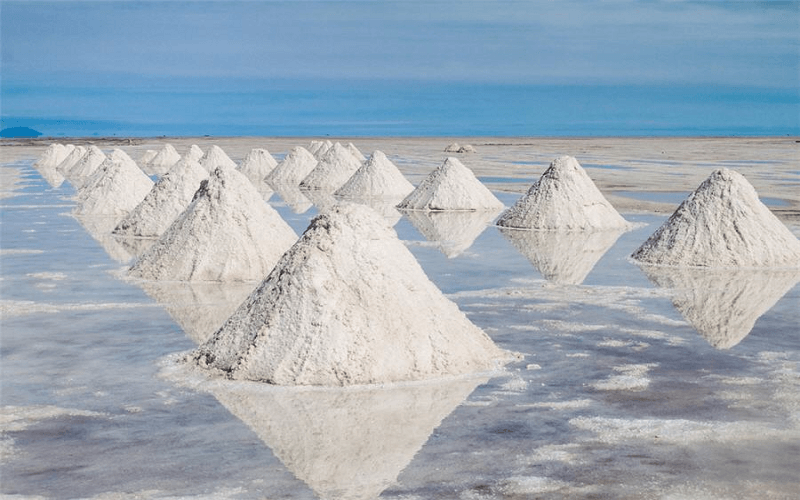
The exchange, which sets the global price for metals such as copper, aluminium and nickel, has been looking at the feasibility of trading the metal, which is extracted in South America and Australia and mostly sold in a white powder to battery makers.
“Lithium is the buzzword within the LME,” one source familiar with the discussions said.
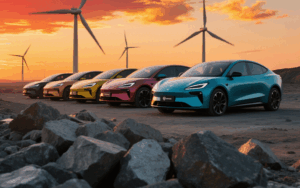
Demand for lithium, the world’s lightest metal, is set to soar fourfold by 2025 as ownership of electric cars increases and more batteries are used to store power from renewable energy such as wind and solar, according to consultancy Roskill. That has been driven by falling battery costs, which are likely to make electric cars cost competitive with their petrol counterparts by the middle of the next decade.
Prices for lithium have jumped almost 30 per cent over the past year to about $14,000 a tonne in June, according to London-based Benchmark Mineral Intelligence.
Sociedad Química y Minera de Chile, or SQM, one of the world’s largest producers of lithium, said last week it expected demand for the chemical to rise by about 14 per cent this year.
“The LME has been approached by industry users regarding the introduction of an LME lithium contract, which we are looking into,” the LME said in a statement in response to questions from the Financial Times. “We believe in developing products in conjunction with participants to meet the real needs of the market, and are committed to assessing and enhancing our offering as effectively as possible.”
The LME is used by miners, manufacturers and merchants to lock in or hedge prices, but also increasingly by investment funds to bet on the direction of metal prices. A lithium contract would give investors exposure to growth in electric vehicles, alongside other battery metals nickel and cobalt, which are also traded on the LME.
One problem for the LME is storing lithium in its network of warehouses, since it is mostly sold to battery makers in chemical forms, as lithium hydroxide and lithium carbonate powders. That makes it harder to store than metals such as copper and nickel.
Source: www.ft.com