Three-month aluminum on the London Metal Exchange has retreated to around $3,170 per metric ton, almost exactly where it stood before the United States and Israel launched joint military strikes against Iran on February 28. From the four-year peak of $3,787.50 struck in early June, the war premium has collapsed by roughly $617, or 16 percent. Judged by futures screens alone, the market appears to have concluded that the Gulf supply crisis is effectively over — or at least contained.
The physical market is telling an entirely different story. The European duty-unpaid premium has surged 65 percent since the conflict began, while the Japanese premium has more than doubled. The widening chasm between paper and physical prices is now the single most important signal in global aluminum.
The scale of the supply shock would normally sustain a lasting risk premium. According to the International Aluminium Institute, Gulf production fell 20 percent in the first half of the year, wiping out more than 2 million tons of annualized smelting capacity. That futures have erased almost the entire premium reflects enormous confidence in substitution supply — confidence resting chiefly on China and Indonesia, both of which carry structural limitations.
The actual recovery picture in the Gulf is far more complicated than futures prices imply. Emirates Global Aluminium’s Al Taweelah complex was hit directly by an Iranian missile strike. Its alumina refinery is expected to resume output in the third quarter, yet as of July 2 only 89 of the smelter’s 1,262 electrolytic cells had been restarted. Once shut down, cells cannot simply be switched back on; carbon linings degrade, bath chemistry must be painstakingly reconstituted, and each cell requires individual recommissioning. The status of Aluminium Bahrain remains opaque, with damage assessments ongoing and no clear visibility on when — or whether — meaningful output will return. Qatar Aluminum is running at roughly 60 percent of capacity. Futures markets have anchored on incremental progress at Al Taweelah, potentially underestimating the murkiness at Bahrain and the persistent underperformance in Qatar.
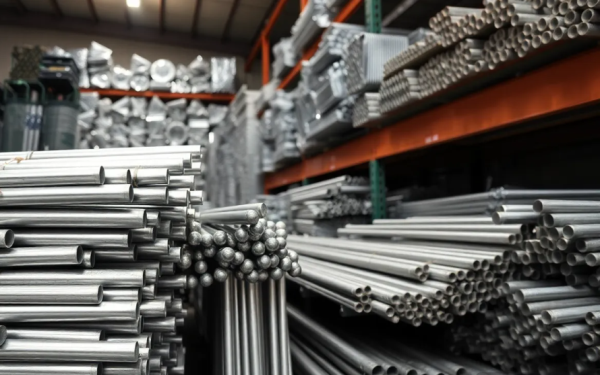
Chinese exports have provided the biggest psychological cushion for futures bulls. Smelter capacity utilization is running close to 99 percent, and exports of semi-fabricated aluminum products rose 10 percent year-on-year in the first five months, with May shipments hitting 595,000 tons, the highest since November 2024. But these exports consist predominantly of bars, rods, tubes and structural sections — not a direct replacement for the primary and alloy grades that Gulf smelters had been supplying to aerospace, automotive and packaging customers. Moreover, a wave of anti-dumping investigations and the cost friction of the European Union’s Carbon Border Adjustment Mechanism mean the assumption of sustained record-level Chinese exports faces growing policy headwinds.
Indonesia is rapidly emerging as a new primary aluminum supply hub. Exports of primary metal leapt from 155,000 tons in 2024 to 511,000 tons in 2025 — a 230 percent jump — and rose another 58 percent year-on-year in the first five months of this year. The Hua Chin smelter, with annual capacity of 480,000 tons, applied for LME brand registration in May, while Alamtri Resources Indonesia shipped its first exports from a facility of comparable scale in June. Industry figures point to a pipeline of up to 11 additional smelters with combined potential capacity of 13 million tons. Whether Indonesian supply can fully offset the Gulf shortfall in the near term, however, hinges on infrastructure, permitting and power infrastructure that are far from guaranteed.
Europe’s demand side also harbors an overlooked buffer. In the fourth quarter of 2024, European buyers engaged in heavy pre-positioning of Indonesian aluminum to avoid carbon costs ahead of CBAM implementation at the start of this year. Shipments included 15,000 tons to Spain, 14,800 tons to Croatia, 11,000 tons to Bulgaria, 5,000 tons to Italy, 5,500 tons to the United Kingdom, and 39,000 tons to Turkey. This coal-powered metal unexpectedly served as emergency inventory when the Gulf supply shock hit, suppressing panic buying in the European spot market. How much of that stockpile has now been drawn down — and when replenishment will become unavoidable — is the critical variable that will determine where physical premiums head next.
The geopolitical backdrop, meanwhile, is hardly stabilizing. The United States has resumed its bombing campaign against Iran, Tehran is tightening its chokehold on the Strait of Hormuz, and Houthi forces are intensifying their own blockade of the Red Sea. In this environment, the futures market’s return to pre-war pricing may rest on assumptions that are overly benign. Physical traders, still pricing in persistently elevated premiums, are sending a different message: the alarm across the physical supply chain has not been switched off.
As the current moment makes starkly clear, the war with Iran is escalating again — but you would not know it from the aluminum price. Among physical buyers, anxiety over supply security is far from fading.