
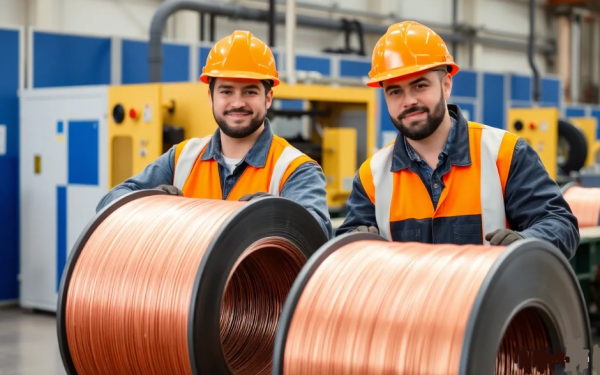
In recent days, copper prices have surged significantly, surpassing $10,000 per ton, driven by stimulus measures from China. Looking to the future, the outlook for the copper market remains promising. Over the next decade, the global energy transition is expected to significantly drive up copper demand, while supply may face challenges. This supply-demand outlook highlights the potential risk of a copper deficit that merits attention.
On Monday, mining giant BHP (ASX, NYSE: BHP) released a report indicating that global copper consumption is projected to increase by an average of 1 million tons annually until 2035. By then, the compound annual growth rate of global copper demand is expected to rise to 2.6%, nearly double the growth rate of the past 15 years. BHP’s Chief Commercial Officer Rag Udd stated, “Looking ahead to 2050, we anticipate that global copper demand will increase by 70% to 50 million tons per year.”
However, focusing on the present, the market does not currently face a shortage. The latest supply-demand forecast from the International Copper Study Group (ICSG) shows an ample global supply of copper, with an expected surplus of 469,000 tons this year and an additional surplus of 194,000 tons in 2025. These surplus estimates significantly exceed forecasts made in April.
In 2023, global copper demand reached 31 million tons, including 25 million tons of copper cathodes and 6 million tons of copper scrape.
Looking forward, energy transition is a key driver of copper demand. Compared to infrastructure sectors like construction, transportation, and power, electric vehicles (EVs) and renewable energy technologies, such as solar and wind, require more copper. For example, each electric vehicle uses about four times as much copper as a traditional gasoline-powered car.
BHP predicts that by 2050, the proportion of copper demand attributable to the energy transition will increase from the current 7% to 23%. The digital sector, which includes data centers, 5G, artificial intelligence, the Internet of Things, and blockchain, will see its share rise from 1% to 6%. As the energy transition progresses and EVs become more widespread, copper demand in the transportation sector is expected to increase from around 11% in 2021 to over 20% by 2040. Additionally, the share of global power consumption by data centers is projected to rise from about 2% today to 9% by 2050, with copper demand from these centers increasing sixfold.
On the supply side, the rising costs and declining grade of ore make copper mining and development more challenging, coupled with a relatively low discovery rate of new deposits, which may lead to future supply shortages. According to BHP’s estimates, the average copper ore grade has declined by about 40% since 1991. Over the next decade, one-third to one-half of the global copper supply will continue to face challenges of declining grades and aging mines.