US Defense Department Reinitiates Strategic Cobalt Reserve After 35 Years
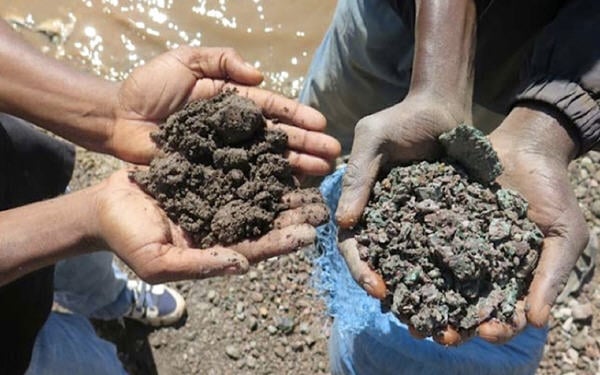
The US Defense Department recently announced its decision to launch its first strategic cobalt procurement plan since 1990, marking a significant policy shift that reflects the US government’s strategic move to secure the supply chain of critical metals.
According to tender documents released this week by the Defense Logistics Agency (DLA), the agency plans to purchase up to 7,500 tons of cobalt over the next five years, with a total contract value potentially reaching $500 million. This procurement volume accounts for approximately one-sixth of the global supply of alloy-grade cobalt outside of China, underscoring a major strategic realignment in the US approach to critical mineral resources.
Cobalt, as a key metal in modern industry, is not only essential for the manufacturing of electric vehicle batteries but also plays a critical role in the defense sector. Cobalt-based alloys are widely used in munitions, jet engines, and magnets for aircraft flaps, landing gear, and flight control surfaces. In recent years, with the global acceleration of the green energy transition, demand for cobalt has continued to climb, while supply chain risks have become increasingly prominent.
Behind this procurement initiative lies deep-seated US concerns over its overreliance on foreign cobalt supplies. The Democratic Republic of Congo, the world’s largest cobalt producer, recently implemented an export ban that has driven cobalt prices up by 42%. Even more notably, China dominates the cobalt processing industry and has established substantial strategic reserves through its National Food and Strategic Reserves Administration. This geopolitical reality has prompted the US to reassess its strategic material reserve policies.
The DLA’s tender explicitly requires procurement of alloy-grade cobalt from only three designated producers: Canada’s Vale SA, Japan’s Sumitomo Metal Mining, and Glencore’s Nikkelverk plant in Norway. The tender documents emphasize that suppliers must provide fixed prices for a five-year period, an arrangement that highlights the US government’s strategic intent to lock in long-term supply and mitigate price fluctuations.
This procurement initiative is legally grounded in the tax and spending legislation passed during the Trump administration, which allocated approximately $2 billion to the DLA for the purchase of materials critical to national security. Furthermore, the newly enacted National Defense Authorization Act of 2023 grants the DLA greater autonomy in long-term procurement, with guaranteed annual funding of $1 billion.
Since July 30, the US Defense Department has issued more than six tenders for critical materials, including niobium, graphite, and antimony—sectors where China holds a dominant position. The number of procurement tenders issued this fiscal year has reached its highest level since the end of the Cold War, indicating that the US is systematically rebuilding its strategic resource reserve system.
This cobalt reserve initiative will not only enhance the US’s ability to respond to supply chain disruptions but could also have a profound impact on the global cobalt market. Industry experts predict that centralized government procurement will further drive up prices for alloy-grade cobalt, particularly given the limited availability of cobalt that meets military specifications.
Through these strategic procurement actions, the US is striving to reduce its dependence on foreign sources for critical mineral resources, thereby strengthening national economic security and the resilience of its defense industrial base. This marks a significant shift in US resource strategy—from a post-Cold War phase of drawdowns to a new era of strategic reserve building.
Cobalt
Electric Cars
Energy Metals
Mining