Tesla (NASDAQ: TSLA) is facing renewed market skepticism over its ambitions in the autonomous ride-hailing (Robotaxi) sector. A recent survey indicates that a vast majority of drivers remain doubtful or fearful of self-driving vehicles, casting a shadow over the company’s strategic pivot.
Although Tesla has almost single-handedly accelerated the global adoption of electric vehicles (EVs) and successfully made EVs a symbol of style and innovation, its future growth increasingly depends on emerging fields such as artificial intelligence, robotics, and especially robotaxis. However, a 2025 survey from the American Automobile Association (AAA) revealed that 87% of drivers feel “unsure or afraid” of self-driving vehicles—with most falling in the “unsure” category—while only 13% expressed trust in the technology. These figures reflect greater pessimism compared to survey results from four years ago.
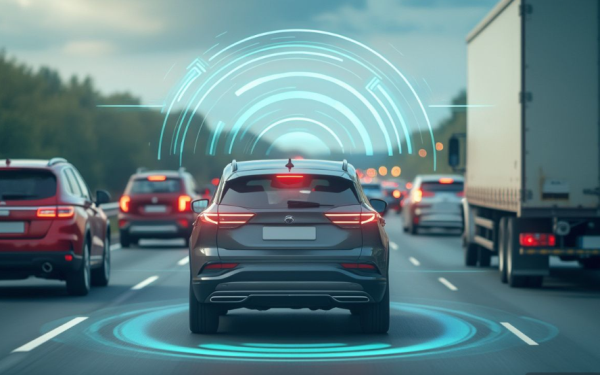
In June, Tesla finally launched its long-anticipated robotaxi pilot program, though on a limited scale: only 10 to 20 vehicles are being used, each with an employee in the front passenger seat, and access is restricted to a small number of invited users. Reviews have been mixed. Some hailed it as the future, while others reported issues such as cars “driving on the wrong side of the road.”
Wedbush analyst Dan Ives praised the pilot program in an interview, describing it as “extremely smooth” and noting that its “safety and maneuverability are even better than Alphabet’s Waymo out of the gates.” Yet market sentiment appears less optimistic.
Notably, another automotive giant, Stellantis, has paused its AutoDrive program due to high costs, technological challenges, and consumer distrust in autonomous driving—a move that aligns with AAA’s survey findings.
Tesla’s management has made it clear that the company’s future lies in robotics, robotaxis, and AI. Should consumers truly resist driverless technology, this strategic shift could face significant headwinds. However, history shows that transformative technologies—from streaming media and automobiles to airplanes, smartphones, and more—often faced public skepticism in their early stages before gaining widespread acceptance as the technology matured.
Analysts point out that consumer hesitation does not necessarily mean ultimate failure. If a safe and reliable driverless service can be successfully implemented, public opinion could shift quickly. That said, for investors, betting on Tesla’s future in robotics, AI, and robotaxis appears riskier than backing its high-end EV business.
While the latest survey is cause for attention, it is too early to declare Tesla’s autonomous driving plans “doomed.” The real challenge remains whether Tesla can demonstrate through technological progress and time that consumers will eventually accept—and embrace—the change.