Silver’s Inclusion in U.S. Critical Minerals List Fuels Bull Market Towards New Phase
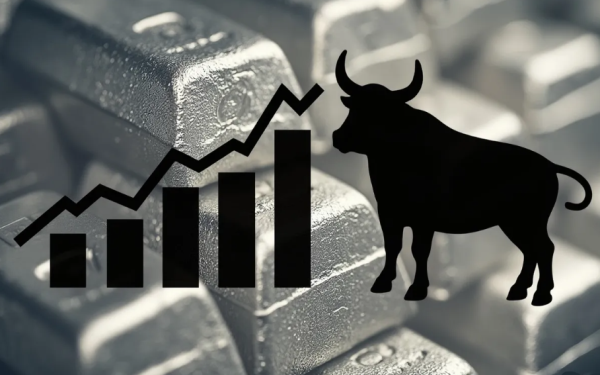
The silver market is undergoing a historic transformation. While prices consolidate below $50 per ounce, the U.S. Geological Survey (USGS) has officially added silver to its 2025 List of Critical Minerals. This change in status is injecting new momentum into the current super-cycle bull market and could reshape its global supply chain dynamics.
The silver market has already experienced significant supply deficits for five consecutive years, depleting above-ground inventories to critically low levels. The new critical mineral designation not only confirms silver’s indispensable role in modern industry but may also exacerbate supply tensions through policy channels.
Matthew Piggott, Director of Gold and Silver at Metals Focus, stated, “The silver market is bound to become much tighter.” He expects this new designation to increase market volatility. Resolving supply issues will be no easy task – “The situation will only reverse when the market shifts to a surplus.”
In fact, structural tightness in the silver market is already evident in the physical sector. As U.S. inventories accumulate due to tariff concerns, silver reserves in London vaults continue to decline, coupled with unprecedented demand from Indian consumers. This drove silver lease rates to a record high above 34% last month. The market also witnessed unprecedented backwardation, where spot prices rose significantly faster than futures prices – classic signs of physical supply strain.
Although silver has not been directly affected by tariffs due to its precious metal status, its growing importance as an industrial metal makes it a potential target for trade restrictions. The USGS list will directly influence the scope of the Section 232 investigation announced by President Trump in mid-April, and domestic production priority policies could lead to further trade limitations.
Future Catalysts: The Battle Between Price and Technology
Whether the silver bull market can continue will depend on the development of several key catalysts:
First, demand elasticity in the photovoltaic industry becomes a core variable. Piggott pointed out that silver accounts for about 15% of solar panel costs, and rising prices have already forced manufacturers to reduce usage. If prices continue to climb, the transition to copper-based technology could accelerate, though this technology remains relatively nascent. “We may see silver prices remaining elevated over the next 24 months, but this entirely depends on the evolution pathway of solar panel technology,” Piggott added.
Second, policy direction will become a new uncertainty factor. The critical mineral status elevates silver to an important strategic material at the national level, potentially triggering chain reactions such as inventory hoarding and export restrictions, further disrupting an already fragile global supply chain.
Bull Market Outlook: Short-term Consolidation Cannot Mask Long-term Value
Although silver prices face technical consolidation at current levels, the critical mineral designation provides solid fundamental support. The persistence of supply deficits, depletion of above-ground inventories, and abnormally high lease rates together form a strong defensive line against price declines.
Analysts believe the silver market stands at a historic turning point. Its traditional precious metal attributes and emerging critical mineral status reinforce each other, creating an unprecedented market environment. Until fundamental improvements occur in the supply-demand balance, any price pullback could become the starting point for a new rally. As the global energy transition accelerates, silver’s unique position as a “dual-attribute metal” is expected to drive its bull market to new heights.
Clean Energy
Industrial Metals
Precious Metals
Silver