Industry Downturn and the Impact of Cultured Diamonds Place Pressure on the Natural Diamond Market
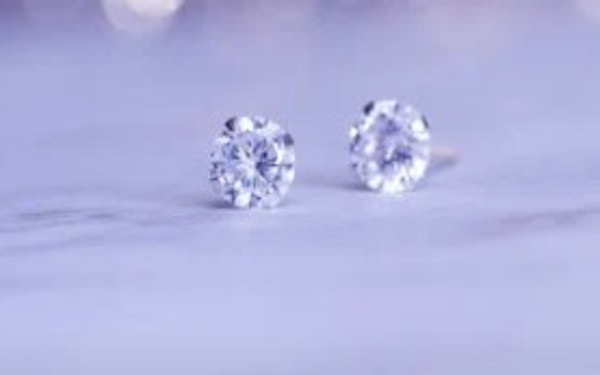
In 2025, the global natural diamond market continued its downward trajectory, with its traditional foundations shaken by a combination of weak demand, widespread substitution by laboratory-grown diamonds, and geopolitical factors. De Beers, the world’s leading diamond producer, saw a significant drop in revenue, accumulated unsold inventory worth approximately $20 billion, and laid off over a thousand employees in its main business units due to the market slowdown. Its parent company, Anglo American (LON: AAL), has initiated the sale of De Beers and subsequently announced a merger with Canada’s Teck Resources (TSX: TECK.A TECK.B, NYSE: TECK).
Other industry participants are also facing difficulties. Russia’s Alrosa saw its profits plummet by nearly 80% and suspended operations at several key mines. Some smaller miners have had to enter administration or cease operations entirely. Laboratory-grown diamonds, identical in chemical composition and appearance to natural diamonds, have continued to gain popularity. Their rise has not only altered consumer behavior but also driven down overall prices for natural diamonds. Particularly in core consumption areas like engagement rings, their expanding market share has shaken the inherent value proposition of natural diamonds.
Faced with this market reshaping, companies have been forced to make strategic adjustments. De Beers has discontinued its Lightbox laboratory-grown diamond brand, refocusing marketing resources on natural diamonds. Concurrently, joint actions have been taken at the industry and governmental levels. Under the Luanda Agreement, major producing countries like Botswana and Angola have committed to investing 1% of their annual diamond revenue into a marketing campaign aimed at boosting global demand for natural diamonds.
Economies reliant on diamond revenue are under significant pressure. Taking Botswana, a major African exporter, as an example, a sharp decline in sales forced the country to cut production, subsequently pushing up unemployment and exacerbating fiscal strain. Debswana, its joint venture with De Beers, announced a production cut of up to 40% for 2025, directly reflecting weak end-market demand and severe price competition from laboratory-grown diamonds.
Analysts attribute the market’s structural shift to broad changes in consumer preferences, saturated supply of laboratory-grown diamonds, and a slowdown in the growth of China’s luxury market, which had previously been a key engine for expansion. Although recent signs indicate a slight cooling in laboratory-grown diamond prices, which may marginally dampen their market appeal, industry executives generally agree that rebuilding consumer confidence in the value of natural diamonds will require sustained and coordinated branding and strategic efforts.
Gold
Mining
Precious Metals
Silver