
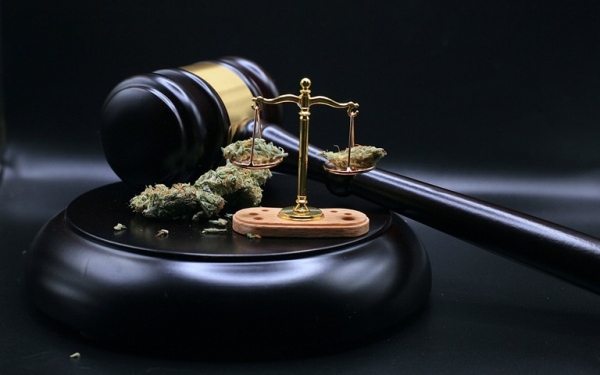
A wave of policy optimism triggered a historic rally in U.S. cannabis stocks last Friday, with sector leaders skyrocketing over 50% in a single session. The frenzy was fueled by growing expectations that the Trump administration is poised to significantly relax federal marijuana restrictions through an executive order.
According to reports from The Washington Post and CNBC, President Donald Trump could sign an order as early as this Monday, initiating the process to reclassify marijuana from a Schedule I drug—the most restrictive category—to a Schedule III substance. This shift would federally acknowledge marijuana’s medical use and lower abuse potential, fundamentally altering its legal standing.
The market reaction was immediate and explosive. Shares of major producers Tilray Brands (TLRY) and Canopy Growth (CGC) surged more than 44% and 52%, respectively. The Amplify Seymour Cannabis ETF (CNBS) soared over 54%, marking its best day on record. Investors interpreted the move as a potential watershed moment for the industry.
This surge contrasts sharply with years of stagnation. Cannabis stocks, after a brief mania around 2018 that saw Tilray’s split-adjusted price exceed $2,000, have endured a prolonged downturn. Despite widening social acceptance and legalization in numerous states, the federal Schedule I designation—placing marijuana alongside heroin—has remained a “Sword of Damocles” over the industry, crippling growth and profitability.
The critical question is whether rescheduling can truly revive the embattled sector. Analysts point to two major shackles it could loosen: taxation and financial access.
Currently, operating under Schedule I, state-legal cannabis companies are denied standard federal tax deductions and largely excluded from the traditional banking system. This leads to exorbitant operating costs and financing difficulties. “Rescheduling would be a positive signal, potentially opening the doors for banks to serve the sector,” noted Ed Groshans, an analyst at Compass Point.
Bill Kirk, senior research analyst at Roth, added that a favorable upcoming Supreme Court ruling on cannabis-related cases could further accelerate regulatory easing. Such changes would likely flow directly to companies’ bottom lines.
Industry leaders expressed cautious optimism. “I’m a lot more optimistic than I ever have been,” Tilray CEO Irwin Simon told CNBC, reflecting the market’s renewed vigor.
However, legal experts warn this is only a partial victory. “Rescheduling alone is not legalization,” said Shawn Hauser, a partner at cannabis-focused law firm Vicente LLP. The industry must continue pushing for congressional action to create a broader regulatory framework addressing safety, access, and criminal justice reform. Nonetheless, she called it a pivotal step that “dismantles nearly a century of outdated drug policies.”
Trump’s anticipated executive order has delivered the strongest policy tailwind in years for cannabis stocks, offering a credible path to revive their short-term prospects by improving the business environment.
Yet, the recent rally poses a fundamental question: Is this a speculative burst or the start of a sustained revaluation? The answer hinges on whether this move merely provides temporary relief or truly catalyzes the longer, more complex journey from federal rescheduling to full legalization and normalized commerce.