
1911 Gold Corporation (TSXV: AUMB; OTCQX: AUMBF)
1911 Gold is Manitoba’s Gold Standard - Ready, Permitted and High-Grade 1911 Gold is an Emerging Gold Producer, with Significant Cash Flow Generation and District-Scale Growth Potential
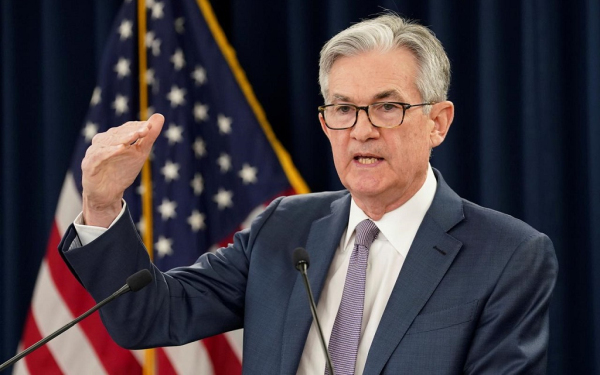
In the past few weeks, market expectations for the Federal Reserve to initiate interest rate cuts in 2026 are facing increasing skepticism. Although the consecutive rate cuts at the end of last year were once seen as the start of an easing cycle, the latest employment and inflation data, coupled with political pressures, are reshaping the outlook for monetary policy.
Michael Feroli, Chief Economist at J.P. Morgan, recently stated publicly that current economic data suggests interest rate levels are not restrictive to growth, making the case for near-term rate cuts “quite weak.” Internally at the Fed, the median forecast from 19 officials in the latest quarterly projections released last month indicates only one rate cut this year, which would lower the target range for the federal funds rate to 3.25%-3.5%. Among them, seven officials leaned toward keeping rates unchanged throughout the year.
Labor Market Resilience Exceeds Expectations: Despite a slowdown in hiring, the unemployment rate unexpectedly dropped to 4.4% in December, reducing the urgency for the Fed to cut rates to “rescue” the job market. David Doyle, an economist at Macquarie Group, noted that the data itself might guide the Fed toward choosing not to cut.
Inflation Remains Stubbornly Above Target: Although December inflation data showed some cooling, former Boston Fed President Eric Rosengren pointed out that the inflation rate remains well above the 2% target, with little sign of significant decline in the short term. Feroli expects the upcoming release of the annual Personal Consumption Expenditures (PCE) price index to remain above 3%.
Political Pressure Could Backfire: The Trump administration’s public pressure on the Fed to sharply lower rates, combined with the use of legal tactics to investigate Fed Chair Jerome Powell, may prompt Fed officials to resist compromise in order to defend the central bank’s independence. Evercore ISI analyst Krishna Guha believes Powell might remain as a governor after his term as Chair ends in May to uphold the Fed’s independent decision-making.
Another group of experts suggest that maintaining the current monetary policy stance might not be bad news for the U.S. economy. Although job growth was weak in 2025, the decline in the December unemployment rate indicates initial stabilization in the labor market.
Lindsay Rosner of Goldman Sachs Asset Management noted that the Fed is likely to keep rates steady for now as the job market shows tentative signs of stabilization. Consequently, analysts at Morgan Stanley have adjusted their forecast, pushing the expected timing of rate cuts from early in the year to June and September, citing the need for more time to observe whether inflation will indeed retreat toward the 2% target.
It is worth noting that despite the absence of an economic emergency requiring immediate rate cuts, U.S. consumer confidence remains low. Although the University of Michigan’s Consumer Sentiment Index rose slightly to 54 in January, it still remains below levels seen during the financial crisis. Survey Director Joanne Hsu pointed out that the public continues to focus on personal concerns like high prices and a softening labor market.
John Canavan, Lead U.S. Analyst at Oxford Economics, concluded that the Fed may wait at least until June to consider easing policy. By then, clearer signals of cooling inflation would be needed to ensure support for the labor market while maintaining price stability.
As persistent inflation, labor market resilience, and political uncertainty intertwine, the Fed’s interest rate path for 2026 is becoming increasingly complex. The previously assumed “inevitable” easing cycle now faces significant uncertainty.