
Southern Silver Exploration Corp. (TSXV: SSV, SSEV: SSVCL, OTCQX: SSVFF)
Southern Silver, a low-risk junior development company with substantial upside potential that is emerging as one of the premier Ag-Pb-Zn companies in Mexico
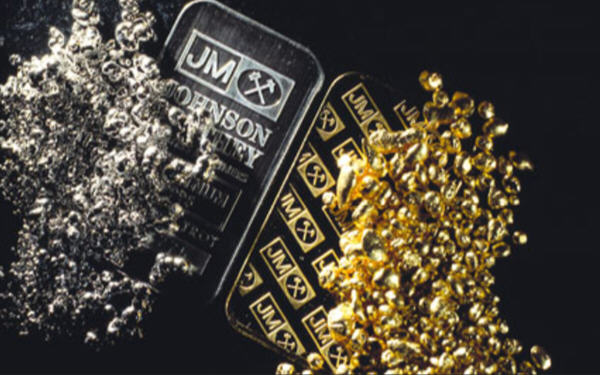
Spot silver prices held firmly above the historical high of $110 per ounce on Monday, with a cumulative increase of 250% over the past year, far exceeding gold’s approximately 80% rise over the same period. This rare trend has caused a key market indicator—the gold-to-silver ratio (the price of one ounce of gold divided by the price of one ounce of silver)—to fall below the 50 mark for the first time since March 2012, revealing that silver’s relative strength has reached its highest level in nearly fourteen years.
Historical data highlights the abnormality of the current market movement. Since 1985, the long-term average of the gold-to-silver ratio has remained around 70, with trading days below 50 accounting for only about 6%. Such a significant and rapid outperformance of silver relative to gold is exceptionally rare in history.
The “overspeed” surge in silver during this round stems from the resonance of multiple factors:
Comprehensive Warming of Safe-Haven Sentiment: Continued geopolitical conflicts, renewed trade tensions, and concerns about the stability of the “rules-based international order” have collectively driven funds into physical assets. Silver, like gold, benefits from this macroeconomic backdrop.
Support from Unique Industrial Attributes: Against the backdrop of the global green energy transition and the explosive growth of emerging industries such as artificial intelligence, the long-term demand outlook for silver as a critical industrial metal is strongly favored, adding an extra dimension of growth potential beyond gold.
Monetary Environment and Market Sentiment: Market doubts about the Federal Reserve’s policy independence and expectations of interest rate cuts have reduced the opportunity cost of holding non-yielding assets, benefiting precious metals as a whole. Furthermore, the silver market has relatively smaller capacity, leading to inherently higher volatility under unanimous bullish sentiment, making sharp rallies more likely.
Future Paths: Two Possibilities for Rebalancing
The gold-to-silver ratio is an indicator with strong mean-reversion properties. The current extremely low ratio suggests the market may rebalance through two primary paths:
Silver Pulls Back, Ratio Rises. Assuming the gold price stabilizes around $5,100 per ounce, for the gold-to-silver ratio to return to its long-term average of 70, the silver price would need to retreat to approximately $72. This implies a drop of about 35% from current levels.
Gold Catches Up, Ratio Rises. If the silver price remains firm at the $110 high, gold would need to rise to around $7,700 per ounce to pull the ratio back to the average of 70.
Conclusion: Increased Volatility May Persist
Regardless of which path the market chooses for rebalancing, it suggests that the precious metals market, particularly silver, may be entering a critical phase of heightened volatility. While history does not simply repeat, extreme indicator levels often serve as a “sobering agent” for market sentiment and price trends. After achieving astonishing gains, silver’s subsequent trajectory will depend not only on the continuation of safe-haven sentiment but will also face a severe test regarding whether its industrial demand fundamentals can meet expectations and whether there will be any divergence from macro-monetary policy expectations. Investors should be wary of short-term technical correction risks while closely monitoring changes in the key gold-to-silver ratio indicator to gauge the direction of market rebalancing forces.