
Pinnacle Silver & Gold Corp (TSXV: PINN)
Building a New Americas-Focused Silver and Gold Company
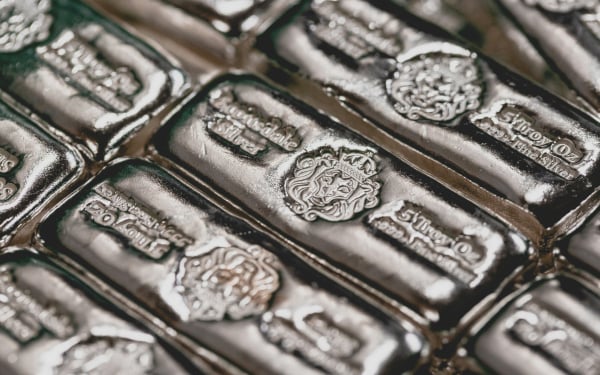
Silver has staged a remarkable rally since the start of 2025, becoming one of the standout performers in the commodity sphere. By the end of December 2025, the metal had surged approximately 171%, briefly touching $80 per ounce on December 26 before closing the year around $72. Entering 2026, silver continues to lead the Bloomberg Commodity Index as its top-performing asset.
Meanwhile, the gold-to-silver ratio—which measures how many ounces of silver one ounce of gold can buy—has fallen sharply to around 57, well below its long-term average of 68 and marking its lowest level since 2013. This rapid contraction highlights silver’s powerful catch-up momentum relative to gold.
The rally has been fueled by several key factors:
From a supply-demand perspective, the silver market is in a state of delicate balance. While structural demand from emerging industries like AI and electronics continues to provide support, growth from the photovoltaic sector—a major demand driver in recent years—has begun to moderate. At the same time, sustained high prices are accelerating material innovation and substitution efforts, which may eventually curb actual consumption.
Silver’s financial attributes also remain crucial. If gold reaches a projected $4,800 per ounce and the gold-to-silver ratio reverts to its 30-year average of 68, silver could theoretically trade around $71. Should the ratio fall toward the 2011 low of 31.71, prices could potentially approach $151.
For investors looking to gain exposure, institutions suggest the following approaches:
For direct silver exposure, consider accumulating positions during price pullbacks, as long-term momentum remains intact—though short-term volatility risks persist. A potentially more attractive route may lie in silver mining equities. Key names include:
In summary, after a sharp advance, silver faces near-term technical correction pressures. However, medium-to-long-term structural support from safe-haven demand, industrial applications, and financial attributes remains in place. For investors bullish on precious metals but seeking to mitigate single-commodity volatility, silver miners and streaming companies offer a viable path for diversified exposure.