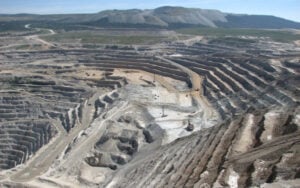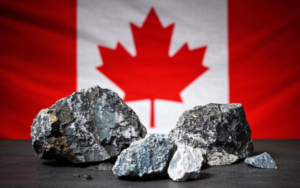
MMG’s profit jump on stronger copper prices and better mine throughput is a clean read-through on the metal’s tightening fundamentals. The miss versus consensus is the other side of the ledger: cost inflation and operational friction are still eating into the upside. The split screen is instructive for investors moving capital down the risk curve into juniors. The copper tape remains constructive, but grade decline, permitting delays, and geopolitical noise mean projects still need tight execution, strong partners, and balance sheets built for volatility.
When copper rises, diversified producers with large-scale sulfide operations see operating leverage: fixed costs are spread over more pounds and realized pricing flows through once treatment and refining charges are paid. MMG’s year shows that dynamic at work. But every cycle also exposes the constraints. Consumables inflation (diesel, explosives, grinding media), higher labor costs, and intermittent logistics issues can push C1 cash costs up even as revenue per tonne improves. For concentrate producers, lower benchmark treatment and refining charges have been a quiet positive, but not enough to offset all other inputs. The implication is straightforward: cash generation improves with copper, yet margins remain sensitive to cost control and steady tonnage. That is particularly true for bulk-tonnage porphyry operations where small grade swings can move EBITDA materially.
The other clear signal comes from peers. Glencore’s renewed push to optimize copper in the Democratic Republic of Congo via a land access deal at Kamoto Copper Company is textbook resource conversion: secure ground, extend mine life, and lift productivity from existing infrastructure instead of greenfield capex. Pair that with talk of minority sales in projects like Agua Rica and El Pachon, and you see the pattern. Majors want copper exposure, but they are managing funding pressure and jurisdictional risk by sharing capital loads and keeping M&A optionality open. This lines up with a constrained project pipeline: permitting timelines have lengthened, average head grades continue to trend down, and large discoveries are rare. The medium-term deficit story is intact, but it will be met with incremental brownfield debottlenecking, selective partnerships, and opportunistic deals rather than a rush of new mega-mines.
In that context, juniors are finding a window—if they can articulate scale, timelines, and cost discipline. Klondike Gold’s non-brokered raise of just over 3 million dollars is small by global standards but meaningful in the Yukon, where the drill season is short and logistics drive up dollars per meter. The company’s plan to more than double seasonal meterage leans into a basic exploration truth: the fastest way to de-risk orogenic gold systems is to put holes in the right structures at the right spacing. A supportive piece is expected royalty inflows from the Montana Creek Placer Mine, which, if realized, can help temper dilution. The red flags are familiar: non-brokered placements concentrate ownership and can signal limited institutional sponsorship; success depends on hitting structure and grade while keeping cost per meter in line with budget. Watch for drill start dates, planned meterage, and per-meter all-in costs.
Fortitude Gold’s 40 million dollar joint venture with Hawthorne Land and Minerals to accelerate work at East Camp Douglas in Nevada shows another path: bring in capital and land expertise to compress timelines. The 60-40 structure keeps Fortitude in the driver’s seat while giving Hawthorne the incentive to fund an aggressive program. Nevada remains one of the best jurisdictions for hard-rock gold—established permitting pathways, access to power and water, and deep contractor pools. Many of the state’s volcanic-hosted systems are epithermal, where high-grade shoots can be narrow and discontinuous. That demands tight geologic modeling, disciplined step-outs, and lots of core to understand vein textures and boiling horizons. The upside case is rapid resource definition and the ability to fast-track permits on private or patented land. The risk is front-loaded spend without early discovery holes. Milestones to track include geophysics-to-drill integration, permitting status on key pads, and first pass intercepts that demonstrate both grade and continuity across multiple structures.
Mithril Silver and Gold’s hire of James Barr as VP Exploration is a reminder that people risk is real in discovery. Mexico’s epithermal veins can deliver exceptional grades, but they punish generic targeting. Success typically comes from a combination of structural geology, geochem zoning, and careful domain modeling to avoid smearing high grades. Experience from operations like Las Chispas is relevant because it teaches vein shoot continuity, dilution control, and resource conversion under real-world constraints. The bullish case is that a seasoned team tightens the drill plan and shortens the path from scout holes to a coherent resource. The cautionary note: technical upgrades do not remove jurisdictional realities—surface access agreements, water rights, and community engagement are gating items. Investors should look for clear drill plans with meterage, target models with testable hypotheses, and early metallurgical work to confirm recoveries typical of low-sulfidation systems.
Macro noise is elevated, but for now it is more a cost and timing variable than a volume killer. BHP’s comment that about 95 percent of its output ships to Asia with limited immediate impact from Middle East tensions lines up with current trade flows. For concentrates, the bigger near-term swing factor is smelter availability and freight, not chokepoints in the Atlantic. In copper, DRC and Peru continue to carry higher social and regulatory risk premia; companies with strong local engagement and redundant logistics routes have fared better. Currency also matters: producers with costs in weaker local currencies and revenue in dollars can see helpful tailwinds, while dollar strength squeezes input costs priced globally. For both seniors and juniors, the takeaway is to stress test projects for oil, power, and labor inflation and to disclose C1 and AISC sensitivity to key inputs.
A profit beat would have reinforced the narrative that higher copper takes care of everything. The miss against estimates underscores that cost control and execution still separate winners from passengers. Juniors cannot assume price will paper over gaps in geology or schedule. Budgets need contingencies for higher fuel, longer lead times on parts, and permitting delays. For explorers, the focus should be on programs that create decision points quickly—tight loops between targeting, drilling, and interpretation—so capital is allocated based on evidence rather than momentum. Developers should show clear pathways to infrastructure, realistic ramp-up curves, and off-take strategies that account for smelter bottlenecks and potential prepayment opportunities.
Near term, watch MMG’s quarterly disclosures for signs of sustainable throughput and unit cost direction at its key operations; steady volumes with flat-to-down C1 costs would reinforce the copper leverage story. From Glencore, track progress at KCC on waste stripping, mill throughput, and cobalt by-product credits, which influence copper unit economics. For juniors, Fortitude’s first assays at East Camp Douglas will be the truth serum; consistent multi-meter intervals at economic grades across several veins would justify accelerated spend. Klondike’s drill commencement, target density along known structures, and any early step-outs that hold grade will tell you if the expanded program is translating into resource growth. For Mithril, look for a detailed exploration roadmap and early channel sampling or drilling that validates the refined model. Across the board, keep an eye on balance sheets. Strong copper and gold prices have opened a window, but cost friction and execution risk mean only the best-planned programs will convert that window into durable value.