

Pinnacle Silver & Gold Corp (TSXV: PINN)
Building a New Americas-Focused Silver and Gold Company
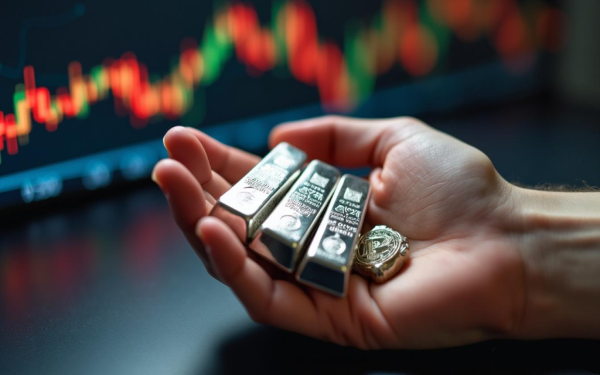
In the tight-knit world of precious metals, the name Rick Rule is practically synonymous with silver. For four decades, whenever the market soured and silver was left for dead, his mantra remained unchanged: buy physical, hold physical.
So when silver ripped higher through 2025 and surged into early 2026, the natural assumption was that the metal’s most famous permabull was sitting comfortably atop his hoard. The reality, however, is startling. Rick Rule has sold over 80% of his physical silver holdings.
Don’t mistake this for a top-calling exit. In fact, Rule describes this as his most aggressively bullish stance in a decade. This isn’t a retreat from the silver trade; it’s a calculated rotation into what he believes is a far more powerful vehicle.
Rule’s logic is characteristically blunt: Silver has flipped from “hated” to “loved.”
When an asset is universally despised and nobody wants to touch it, owning the physical metal is the cleanest, lowest-risk trade available. But when chatter about silver fills the financial media and ETF coffers are swelling, holding onto heavy silver bars starts to look inefficient. Storage costs, liquidity friction, and delivery logistics become a drag on returns precisely when the bull market is maturing.
More importantly, Rule has identified a replacement with far greater torque: silver mining equities. Why sit on bullion waiting for a one-dollar move in the spot price when you can capture the outsized gains of a sector-wide valuation reset?
The foundation of Rule’s rotation rests on a glaring structural disconnect. Wall Street analysts are still valuing silver producers as if the metal trades materially lower than where it actually clears today.
Put simply, the silver price assumption plugged into the analysts’ spreadsheets remains anchored in a bygone, lower-price era. Meanwhile, the actual spot price of silver has taken flight. This has created a rare window of opportunity: silver has soared, but mining stocks haven’t fully priced in the new reality. Once those valuation models are forced to update their price decks to reflect the current market, silver miners are poised for a violent, catch-up re-rating.
Rule’s bet is that this valuation gap will close before silver makes its next leg higher. Rather than gambling on silver tacking on another quick ten dollars, he’s aiming to harvest the low-hanging fruit of this sector-wide mispricing.
Of course, Rule wouldn’t make such an aggressive pivot without a solid macro foundation underpinning the metal itself.
As of February 2026, U.S. M2 money supply sits at a staggering $22.67 trillion, hovering in the 90.9th percentile historically. The 10-year Treasury yield remains elevated at 4.32%. This combination of high liquidity and persistent real rates has historically been constructive for precious metals.
But silver holds an ace that gold lacks: mandated industrial consumption. Solar panels, electric vehicles, and the vast universe of electronics continue to devour silver stockpiles, creating a structural demand floor that cannot be melted down and recycled away. Even if speculative fervor cools, industrial offtake provides a backstop that gold simply doesn’t have.
Rick Rule can fly to Peru to kick rocks at a junior mining site. Most investors can’t. For those looking to align with his thesis without leaving their brokerage accounts, three ETFs offer varying degrees of exposure and volatility.
Rick Rule didn’t sell his silver because he fell out of love with the metal. He sold because he believes this race is entering its final stretch, and he needed a lighter, faster pair of shoes.
For the average investor, the takeaway is clear: instead of fixating on the daily tick of spot silver, take a closer look at the valuation models that remain stubbornly asleep at the wheel. That disconnect—the gap between today’s silver price and Wall Street’s outdated assumptions—might just be the real main course of this bull market.