Investment in electricity networks is moving to the center of the copper story. As power systems absorb more renewable energy, connect rapidly growing data centers, and prepare for higher EV loads, the grid is becoming the bottleneck and the demand engine. The implication for metals investors is straightforward: transmission and distribution capex, not just turbine and battery installations, will shape copper volumes and pricing over the next decade. Wood Mackenzie frames the need as a structurally higher, policy-embedded demand profile. That differs from the past China-led construction cycles and requires a different way to evaluate project pipelines and risks.
Grid expansion and reinforcement are copper intensive because the metal delivers superior conductivity and reliability in many use cases. Transformers, substations, switchgear, and high-capacity distribution cables depend on copper to limit resistive losses and heat, meet fire codes, and ensure durability across thermal cycles. Modern grids were built for one-way power flows from large plants; they now must accommodate variable renewables, rooftop solar, bidirectional EV charging, and microgrids. That redesign adds copper-heavy equipment at multiple nodes, not just long-haul lines. Crucially, much of this spend is governed by regulation and multi‑year utility rate cases. That makes demand stickier and less sensitive to short economic swings. As the U.S. grid pursues interconnection backlogs, Europe hardens networks to integrate offshore wind, and China expands urban distribution, copper’s role in the power system becomes foundational rather than discretionary.
AI and cloud buildouts add concentrated electrical load that forces localized grid upgrades. A single campus can require hundreds of megawatts, with redundant feeders, new substations, and on‑site distribution. That drives copper demand in busbars, cabling, and switchgear, and often triggers upstream reinforcement across several kilometers of network. Wood Mackenzie estimates data centers alone could contribute roughly one million tonnes of additional copper demand by 2030. Against a market Wood Mackenzie sizes at around 40 million tonnes, that may look modest, but the load is geographically clustered and timing‑critical. Lead times for transformers and high‑capacity conductors have stretched, creating potential pinch points where copper availability and equipment manufacturing capacity both matter. For investors, data center power procurement is a clearer near‑term driver than server shipments. Track utility interconnection queues, local substation awards, and long‑lead equipment orders to gauge when copper demand converts from plans to physical installations.
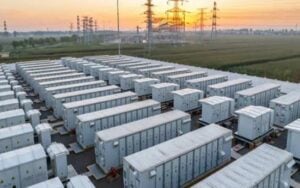
EVs and renewable power are still important copper sinks, but their trajectories increasingly hinge on grid readiness. EVs use more copper per vehicle than internal combustion cars due to motors, inverters, and onboard wiring. Wind and solar plants require copper in generators, inverters, and collection systems. Yet, the pace of deployments is now capped less by turbine factories or gigafactories and more by interconnection and network capacity. Higher‑voltage collector systems, utility‑scale battery storage to firm renewables, and fast‑charging corridors all add copper‑rich balance‑of‑system content. That means copper demand from “green” end markets does not materialize on schedule unless wires, transformers, and substations are in place. Watch interconnection reform efforts and utility capex budgets; these determine when EV and renewable copper intensity becomes realized demand rather than deferred projects.
On the supply side, the treadmill is steep. Wood Mackenzie estimates the industry must add at least 900,000 tonnes per year of new mine supply, every year, to meet projected growth. That has been achievable historically, but it is getting harder. Average head grades have trended lower at major producers, pushing up strip ratios, energy use, and unit costs. Water scarcity and rising environmental standards complicate permitting and tailings design. Capital costs have escalated with inflation and engineering bottlenecks. Political risk in copper‑rich regions adds schedule uncertainty. Brownfield debottlenecking helps, but large greenfield projects still take most of a decade to move from discovery to first production. Scrap will play a role, but closed‑loop recycling from end‑of‑life equipment takes time to scale given product lifespans. The result is a supply response that is slower and more expensive, even as demand shifts from cyclical consumer spending to regulated infrastructure.
A structurally tight copper market does not eliminate demand elasticity. Substitution and design efficiency are real swing factors. Aluminum can replace copper in some overhead lines and transformer windings because it is lighter and cheaper, though it requires more cross‑sectional area for the same conductivity and can present connection and heat challenges. HVDC transmission often favors aluminum, while lower‑voltage distribution and dense urban installations still lean copper due to safety and performance. In motors and power electronics, advances can reduce copper use per unit of output, but changeovers happen over multi‑year product cycles with stringent certification. For investors, the practical takeaway is to expect localized substitution where standards allow and where cost pressure is acute. The net effect is likely to slow, not stop, copper demand growth from grids, especially where reliability and lifetime losses carry more weight than upfront material savings.
Capital is available, but selective. Oreterra Metals closed the first tranche of an upsized private placement, signaling improved risk appetite for well messaged exploration stories. Financing is critical because long‑dated copper projects must survive cycles. Outside copper, Libra Energy Materials reported a graphite discovery in Ontario near infrastructure; grid‑adjacent battery materials like graphite will ride the same electrification capex wave. Germanium Mining expanded its Quebec land package, a nod to the role of specialty metals in fiber optics and photovoltaics that support data and power networks. On the caution side, Baru Gold’s update on approvals in Indonesia underscores that permitting and social license can delay even small projects; copper jurisdictions face similar dynamics with higher stakes. Elsewhere, West Red Lake’s 2026 production guidance for the Madsen Mine illustrates how long it takes to translate drilling into ounces and cash flow, a lesson transferable to copper development. New gold hits at Viva Gold and Emperor Metals, and ongoing programs at FinEx, Iconic, Viscount, Canterra, and the Delta–Troilus option progress, all show an active junior field, but results must be filtered through metallurgy, access to power and water, and path‑to‑permit.
If grid spending is the fulcrum of copper demand, portfolios should tilt toward projects that can deliver into that window. Look for porphyry or VMS assets with scalable tonnage, clean metallurgy with limited deleterious elements, and proximity to existing power, transport, and ports to cap capital intensity. Jurisdiction matters; permitting timelines and fiscal stability can make or break net present value when price decks are volatile. Infrastructure adjacency is not just a cost reducer; it can accelerate schedules to meet utility procurement needs. Consider developers with realistic timelines, phased capital plans, and credible offtake strategies. For explorers, prioritize teams that can convert geophysics and early intercepts into coherent resource models and that are funding work programs without excessive dilution. Given substitution risk, avoid overpaying for copper intensity claims that ignore standards and certification barriers in target markets.
The next leg of copper’s narrative will be written in utility and policy calendars. Track U.S. transmission build plans under federal permitting reforms, European TSO investment roadmaps tied to offshore wind targets, and spending trajectories at China’s State Grid. Monitor transformer manufacturing expansions and lead‑time trends; they are a practical gauge of grid build velocity and hence copper pull‑through. On the demand side, data center interconnection awards and power purchase agreements are near‑term signals of when AI‑driven loads become metal demand. On supply, watch for approvals and construction decisions at large Latin American projects and African developments with financing in place. For juniors, resource updates, metallurgy test work, and PEA or PFS milestones are the de‑risking steps that matter. The fundamental setup is clearer: grid investment now organizes the copper market. Price paths will still be choppy, but the direction of required metal is harder to dispute.