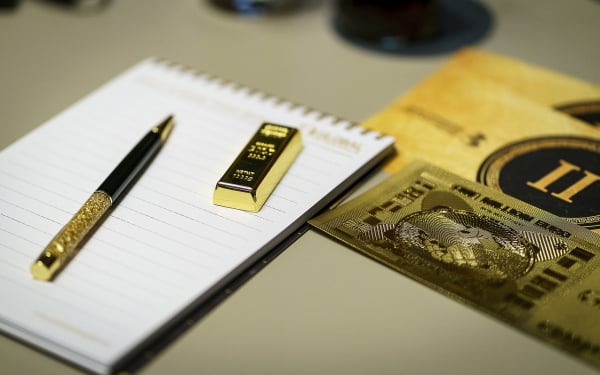
Gold is locked in a tug-of-war between mounting Federal Reserve hawkishness and relentless global central bank purchases, after the metal posted its steepest quarterly drop in more than a decade, leaving investors weighing which force will set the longer-term price trajectory.
Spot bullion fell 14.1% in the second quarter — its worst performance since Q2 2013 — and briefly dipped near $4,000 an ounce as traders scrapped bets on imminent rate cuts and priced in further policy tightening. The selloff has laid bare a deep divide in the market: near-term pressure from U.S. monetary policy on one side, and durable structural support from official-sector buying on the other.
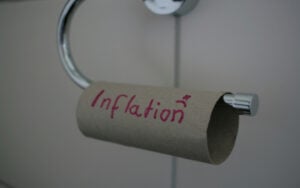
Stubbornly high U.S. inflation has upended the monetary policy outlook, emerging as the primary obstacle to any shift toward looser policy. The personal consumption expenditures price index climbed 4.1% year-over-year in May, the fastest pace since April 2023, while core PCE — which strips out volatile food and energy costs — held at 3.4%, its highest reading since October 2023.
Minutes from the Fed’s latest meeting showed policymakers remain laser-focused on taming persistent price pressures, pushing markets to rapidly reprice a “higher-for-longer” rate regime. Traders now see an 83% chance of rates ending the year above current levels, and a roughly 67% probability of at least one 25-basis-point hike by the September FOMC meeting, according to the CME FedWatch Tool.
The repricing has lifted the 10-year Treasury yield to 4.58% and pushed the U.S. dollar index to 101.18, its strongest level in a week. For non-yielding gold, higher interest rates raise the opportunity cost of ownership, while a stronger greenback makes the metal more expensive for overseas buyers — creating a powerful combined headwind to near-term gains.
Yet against that acute near-term pressure, a deep and durable source of demand is providing a structural price floor: global central banks’ steady accumulation of gold reserves.
A recent survey from the World Gold Council found that 45% of central banks plan to increase their gold holdings over the next 12 months, while 89% expect global official reserves to expand over the period — both readings near historic highs.
Driven by efforts to diversify reserve assets, hedge against geopolitical risk and insulate portfolios from inflation, most central banks have been raising their gold allocations for three straight years, undeterred by the latest price pullback. Unlike price-sensitive investment flows, official-sector buying is largely strategic and price-inelastic, creating a reliable buffer during market selloffs.
In its latest quarterly gold outlook, asset manager Invesco said the structural support from central bank purchases remains intact, calling it one of the core pillars of gold’s medium- to long-term value proposition.
The competing forces have created a bifurcated market dynamic, where short-term swings are dictated by rate expectations, while longer-term price anchors are set by official-sector demand.
On a near-term horizon, investor sentiment is tightly tethered to inflation prints and Fed commentary, with positioning highly sensitive to even modest shifts in the policy outlook. The Q2 selloff reflected a dramatic repricing — from widespread expectations of rate cuts earlier this year to growing odds of additional hikes — amplified by trend-following flows and stop-loss selling that tend to exaggerate downside moves.
Over longer horizons, however, persistent central bank buying is reshaping gold’s demand profile and pricing mechanics. As gold takes up a larger share of global reserve portfolios, its monetary and safe-haven attributes are strengthening, gradually lifting its underlying price floor. Historically, extended periods of net official buying have rarely coincided with deep, prolonged bear markets for bullion.
Looking ahead, most analysts agree gold will remain vulnerable to rate-driven volatility in the coming months, but the structural backdrop from central bank accumulation should limit downside and support a recovery over the full year. Invesco warned the next few months will be pivotal, with inflation persistence and the Fed’s policy response the key swing factors. A further energy-driven inflation surge and an actual rate hike could renew pressure on prices, but as long as central bank buying stays on track, a steep, sustained decline is unlikely.
All told, Federal Reserve policy is set to dominate gold’s day-to-day and week-to-week fluctuations for the foreseeable future, while global central bank purchases will define its longer-term value anchor. Until there is greater clarity on the inflation path and the trajectory of U.S. interest rates, the metal is likely to remain rangebound in a tug-of-war between the two forces.