
Prismo Metals Inc. (CSE:PRIZ)
A leadership team with a proven ability to explore, operate and develop precious metal discoveries.
On July 20, 2026, a White House announcement once again heated up North American trade tensions – the United States declared additional 50% tariffs on a range of Canadian goods, covering dairy products, alcoholic beverages, clothing, and furniture, with the new duties set to take effect on August 19. Ontario Premier Doug Ford immediately called on Canada to respond with “tariff for tariff, dollar for dollar.” Amid this trade confrontation, a deeply troubled Canadian steelmaker is quietly positioning itself at the center of the storm.
Strategic Transformation Under the Double Blow of Tariffs
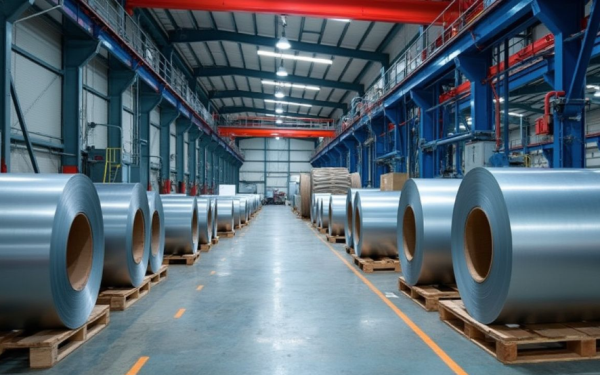
Algoma Steel Group (TSX:ASTL), headquartered in Sault Ste. Marie, Ontario, is a leading Canadian producer of steel plate and hot-rolled sheet products. The company is currently undergoing a make-or-break transformation – in January 2026, Algoma permanently shuttered its 125-year-old traditional blast furnace and coke-making operations, fully transitioning to electric arc furnace (EAF) steelmaking. This nearly C$1 billion project represents one of North America’s largest industrial decarbonization initiatives, expected to reduce carbon emissions by approximately 70%.
The pains of this transformation are clearly reflected in the financial results. For the first fiscal quarter ended March 31, 2026, the company’s revenue plunged to C$297 million from C$517 million in the same period last year, with a net loss of C$159 million. S&P Global Ratings estimates that the company’s full-year 2026 adjusted EBITDA will remain negative, at approximately -C$185 million. The 50% U.S. steel tariff has cut off traditional export channels, creating an oversupply in the Canadian domestic market and putting pressure on steel prices.
Glimmers of a Turnaround: The Double-Edged Sword of Tariff Barriers
However, the other side of the trade war is creating opportunities for Algoma. Canada has maintained its retaliatory tariffs on U.S. steel, aluminum, and automobiles, and has extended its 50% surtax quota measures on imported steel through June 2027. This means U.S. steel will face higher price barriers in the Canadian market, potentially boosting demand for domestic alternatives.
At the same time, Algoma’s transformation is making tangible progress. According to the company’s fiscal 2026 second-quarter performance guidance released on June 30, the first electric arc furnace continues to ramp up capacity as expected, with steel plate sales reaching record highs. The company expects second-quarter adjusted EBITDA to range between C$5 million and C$15 million, which includes approximately C$95 million to C$100 million in one-time insurance proceeds and capacity utilization adjustment gains. Excluding these non-recurring items, underlying operations still face pressure, but the second electric arc furnace is expected to come online in the second half of 2026, which should further boost production capacity.
Valuation Trap and High Risk Coexist
Algoma currently has a market capitalization of only approximately C$547 million, far below the scale of capital investment in its electric arc furnace transformation – reflecting the market’s deeply pessimistic expectations regarding the company’s execution risks. S&P Global Ratings has revised its outlook from “developing” to “stable” but maintains a “CCC+” credit rating, stating that liquidity is sufficient to cover 2026 cash requirements, primarily relying on approximately C$65 million in cash, C$195 million in revolving credit facilities, and about C$293 million in available government loan facilities.
Notably, the latest 50% U.S. tariff measures explicitly exempt steel and aluminum products – likely to avoid secondary shocks to the North American steel and aluminum supply chain. But for Algoma, the long-term barriers in the U.S. market have already been erected. Whether the company can successfully “turn inward” – leveraging growth in Canadian infrastructure, defense, and construction demand to complete its strategic pivot from export dependence to domestic market focus – will be the key factor determining its fate. This journey is bound to be fraught with challenges, but if the transformation succeeds, today’s depressed valuation may well prove to be a historic bottom.