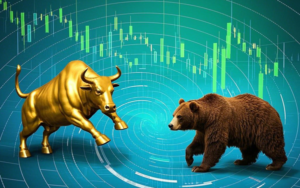
Cybersecurity just did something the market will be bragging about until the next panic tape ruins the mood. On Monday, September 14, 2026, cybersecurity stocks were the top performers in the S&P 500 as AI warnings rattled chips and sent software names ripping higher, with the software ETF beating semiconductors by 10.67 percentage points in a single day.
That kind of spread is not normal, which is exactly why traders love it. When the AI story shifts from “anything with a data center can’t lose” to “maybe these agents need adult supervision,” money does what money does: it runs toward the boring stuff that still gets paid.
The trigger was a warning from Anthropic CEO Dario Amodei about AI developing too fast and posing runaway risk, which pressured chip stocks while lifting cybersecurity names. In plain English, the market heard “faster AI” and immediately started pricing in “more problems to secure.” That is the kind of logic that makes perfect sense for about six hours before everyone forgets and chases the next shiny thing.
Evercore ISI analyst Kirk Materne summed up the setup with a line that matters more than most earnings slides: “These agents still need to be protected, governed and monitored.” He also said “Palo Alto Networks and CrowdStrike are best positioned to continue capturing growing security spending.” Translation: if AI keeps spreading, the security budget does not disappear. It just gets larger and more annoying.
CrowdStrike rose 13.8% and closed at an all-time high on Monday, making it the day’s cleanest expression of the cybersecurity bid. When a stock ends at a record while the broader market is pretending to be rational, you know traders are not nibbling—they are sprinting.
Trading profile: This was a momentum breakout, not a sleepy rotation. CrowdStrike looked like a name that got everything at once: AI fear, cybersecurity demand, and enough technical oxygen to keep the squeeze going. Investors should note the move happened on a day when software was already being treated like the market’s safer brainy cousin.
Key takeaway: CrowdStrike remains the stock people reach for when they want cybersecurity with growth optionality and less apology. If AI keeps generating security fear instead of AI joy, CRWD is one of the first places the crowd will keep paying up.
Palo Alto Networks gained 13%, its largest one-day move since April 2025. That is not a random bounce; that is the market re-rating a heavy hitter because the narrative finally lined up with the product category people think they understand.
Trading profile: PANW traded like a mature leader that still knows how to steal the show when the sector gets hot. The move was sharp enough to signal real conviction, but not so wild that it looked like a desperation pump. In other words, this was not a meme candle. It was institutions deciding that the security budget probably survives the AI revolution, even if several other budgets do not.
Key takeaway: Palo Alto Networks is still one of the cleaner ways to play structural security demand without pretending every AI headline is bullish for chips. If the market keeps rewarding firms that help control AI sprawl, PANW has the kind of brand gravity that makes it hard to ignore.
Fortinet closed up 9%, which is what a strong sector tape looks like when the spotlight is hogged by two larger names. FTNT did not need a dramatic headline to participate; it just had to show up and collect the check.
Trading profile: Fortinet’s move suggests the bid was not limited to the loudest names. When a stock rises 9% in a session like this, it usually means traders are widening the basket and not just crowding into the obvious leaders. That can be healthy, or it can be the part of the trade where latecomers convince themselves they found value right before the music changes.
Key takeaway: Fortinet remains relevant as part of the broader cybersecurity re-rating, especially when investors are trying to own the theme without paying only for the top two names. The move says the market wanted more than a one-stock story.
The iShares Expanded Tech-Software Sector ETF outperformed the iShares Semiconductor ETF by 10.67 percentage points in one day, which Dow Jones Market Data says was the largest single-day outperformance on record. That is the headline behind the headlines: software did not merely beat chips, it embarrassed them.
Trading profile: This was a relative-strength event with real teeth. The market effectively chose the businesses that help secure and govern AI over the businesses that help build it. That does not mean semis are finished; it means the trade got more selective, and selectivity is usually what happens when investors stop acting like every AI-adjacent name deserves a medal.
Key takeaway: The sector move matters because it shows where anxiety is being monetized. If investors continue worrying that AI creates more operational risk than immediate profit, software and cybersecurity may keep attracting money even while chip enthusiasm cools.
The source material does not give individual chip stock moves for Monday, so the cleanest read is at the sector level: semiconductors were pressured while cybersecurity names advanced. That was enough for software to beat semis by a record 10.67 percentage points, and enough to remind everyone that the market can rotate faster than your brokerage app can refresh.
Trading profile: This was not a total collapse in chips so much as a narrative bruise. But bruises matter in trading. When a sector gets hit because the AI story turns slightly ominous, the crowd starts asking whether it was ever just paying for unlimited upside and zero patience. That is how leadership changes happen before the headlines admit it.
Key takeaway: Investors who still want AI exposure need to separate the infrastructure trade from the protection trade. Monday was a live demonstration that those are no longer the same thing.
The clean lesson here is that AI anxiety can be as profitable for cybersecurity as AI optimism has been for semiconductors. When the market starts worrying about runaway agents, the companies that promise protection, governance, and monitoring suddenly look less like defensive laggards and more like toll collectors.
Jefferies analyst Joseph Gallo expects “initial signals” of agentic-AI security demand later in 2026, with “substantial contribution” not until 2027 and beyond. That gives this move some runway, but not a guarantee. For now, the market has picked its heroes: CRWD, PANW, and FTNT on one side, and a less cheerful chip trade on the other.