Is the Copper Market About to Change? Analysts Say It’s Just an Old Topic

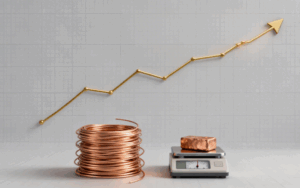
Copper has long been the conductive metal of choice, and although aluminum is less conductive, it is lighter in weight and cheaper, so aluminum has long been used as a substitute. According to a recent report by the International Copper Association, consumption of copper substitutes has declined globally by about 1% to 1.5% per year over the past decade. While the global copper market is currently well supplied (due in large part to weak purchasing power in China), investors generally believe that there will be a significant shortage of copper over the next few years, which could drive copper prices sharply higher.
For months, as copper prices soared to record levels and then fell back again, a key question has been emerging across the metals industry: what is China’s State Grid, the world’s largest copper buyer, doing?
China’s State Grid has slowed down its purchases of copper wire this year, while ramping up its purchases of aluminum wire, a cheaper alternative. While it could be argued that this is a natural reaction to soaring copper prices, the change has sparked a debate about whether one of the metals industry’s most important but opaque buyers is undergoing a policy shift that could shake up the global market.
The potential for large-scale use of copper substitutes in China’s power grid will have a major impact on global demand, which some traders are citing as a reason to go against the broad consensus of copper shortages and higher prices in the coming years. China is the world’s largest copper consumer, with more than a quarter of global copper supply going to its power cables.
Still, traders and industry executives said it was unclear whether such a large-scale push was underway – small-scale substitution of high-priced copper has been a long-standing theme in the market and tends to attract more attention whenever prices rise.
It’s not a new topic in China, but the State Grid hasn’t made significant progress in this area for years, said Chenfei Wang, head of wire and cable at CRU Group in Shanghai. The topic is hotly debated whenever copper prices rise.
Copper prices on the London Metal Exchange have retreated about 13 per cent from a record $11,104.50 a ton set in May, amid profit-taking by investment funds and sluggish demand from China. Copper futures were down 1.6 per cent to $9,653.50 a ton as of 3:37pm London time. Italy’s Prysmian SpA, the world’s largest cable maker, is also skeptical about the prospects for a wider global shift to aluminum unless the industry faces a real shortage of the metal.
In a recent interview, Citigroup analyst Max Layton said that throttling, which includes aluminum substitution, has already reduced copper demand by 400,000 tons. If large-scale aluminum substitution is achieved, it will pose a risk of limiting the upside of copper prices.
Aluminum
Base Metals
Copper
Energy Metals