If Trump Implements Tariffs, It Could Trigger a Global “Copper Trade Earthquake”
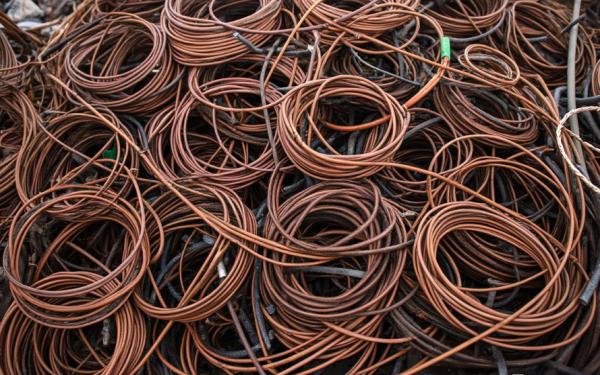
The Trump administration has proposed a potential 25% tariff on copper imports from Canada and Mexico, but whether these tariffs will actually be implemented—as they are linked to border security—or how the policy might be carried out remains uncertain. If the tariffs are enacted, they could profoundly impact the global copper supply chain and regional demand, potentially triggering retaliatory actions and a reshuffling of trade patterns.
Copper Prices and Market Reaction On Tuesday, the price of copper for March delivery on the Chicago Exchange rose by 1.7%, reaching $4.20 per pound (approximately $9,260 per tonne). Despite this recovery, copper prices remain below recent highs and are down 6% compared to levels before the U.S. presidential election.
USMCA Faces Challenges The threat of tariffs on Canadian and Mexican copper imports could accelerate a scheduled review of the United States–Mexico–Canada Agreement (USMCA), originally planned for 2026. If implemented, these tariffs would undermine the free-trade pact signed during Trump’s first presidential term, effectively rendering it meaningless.
China Halts U.S. Copper Scrap Imports A December 2 report by Antaike revealed that many Chinese metal importers have stopped purchasing copper scrap from the U.S. since late November due to expected U.S. tariff hikes on China. Trump has previously threatened to impose a 60% tariff on all Chinese exports, which could provoke retaliatory measures and heighten uncertainties around China’s procurement of U.S. copper scrap.
According to the China Nonferrous Metals Industry Association, roughly 30% of China’s copper production depends on scrap materials. Data from China Customs shows that from January to October 2024, China imported 1.8565 million tonnes of copper scrap and fragments, 361,100 tonnes of which came from the United States, equating to a monthly average of 36,100 tonnes and accounting for 19.45%—making the U.S. China’s top supplier of copper scrap.
Benchmark points out that the current situation is reminiscent of 2018. At that time, China imposed a 25% tariff on U.S.-origin copper scrap in response to Trump’s trade war. Now, the U.S. may choose to restrict exports of secondary copper, supporting domestic industries and addressing any supply shortages caused by tariffs on imports from Canada and Mexico.
Supply Chain Disruptions Could Hit Key Sectors According to Benchmark Mineral Intelligence, if these tariffs are enforced (despite significant uncertainty), they will disrupt the entire copper supply chain, causing ripple effects on regional copper demand. The impact would likely grow if Canada and Mexico take retaliatory measures.
While the copper trade between the U.S. and Canada is relatively small compared to their energy and crude oil trade, copper’s widespread use means supply disruptions could harm many downstream industries, particularly the automotive sector. Canada is a major supplier to the U.S. copper market. In 2023, Canada exported 207,000 tonnes of copper and copper alloy semi-finished products to the U.S., accounting for 42% of such imports. Benchmark adds that Canada’s semi-finished exports largely used for copper wire rods, which have satisfied over 90% of U.S. wire rod import demand over the past decade.
Benchmark’s data shows that the U.S. imported 767,000 tonnes of refined copper in 2023, with imports reaching approximately 691,000 tonnes by September 2024. Chile is the largest supplier, followed by Canada and Peru. In 2023, Canada and Mexico’s contributions amounted to 128,000 tonnes and 14,000 tonnes, respectively, making up about 16% of total U.S. copper imports. Additionally, the U.S. exported 33,000 tonnes of refined copper last year (excluding re-exports).
Changes in Trade Flows and Global Copper Landscape If tariffs are imposed, imports from Canada and Mexico may lose competitiveness in the U.S. market, requiring the U.S. to seek alternative suppliers. For instance, refined copper could be sourced from Chile, while semi-finished products could come from countries like South Korea, Japan, or India. Benchmark’s analysis suggests this would redraw the global copper supply chain map.
Aside from altering trade flows, this policy could theoretically stimulate domestic investment and production capacity in the U.S. The Inflation Reduction Act (IRA) has demonstrated that, with the right incentives, the U.S. can quickly develop its domestic industries to compete with imports. However, no specific incentives have been proposed yet to encourage domestic manufacturers under this policy framework.
Base Metals
China News
Copper
Mining