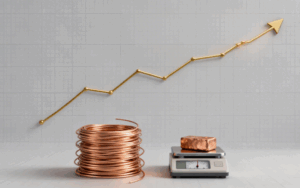
In the heart of Beijing’s financial district, the pulse of Chinese markets quickened dramatically last week, posting an unprecedented surge not seen since the 2008 global financial crisis. Propelled by a robust $114 billion economic stimulus package, Chinese equities, as embodied by the CSI 300 Index, soared by a staggering 15.7%. Beyond the immediate buoyancy, this development warrants a deeper examination into Beijing’s policies and their broader implications for global investors.
China’s State Council, the executive branch of the government, activated the stimulus in a decisive strategy to reenergize a domestic economy buffeted by global uncertainties. The package, comprising substantial fiscal expenditures and tax cuts, is designed to inject liquidity into the market, with a particular emphasis on bolstering small and medium-sized enterprises (SMEs).
The stimulus reflects the underlying strategic orientation of Beijing’s recent Five-Year Plans, which prioritize sustainable economic growth and resilience. As seen in the reform of state-owned enterprises (SOEs), the Chinese government has been steadfast in stimulating market vitality, even as it retains control over key economic sectors.
The immediate market reaction to the stimulus was explosive. The CSI 300 Index, encompassing the largest and most representative companies listed in Shanghai and Shenzhen, posted its best weekly performance in more than a decade.
For investors, this surge elevates China’s equity market from a ‘watch’ to a ‘prospect’. However, the market upswing should not eclipse the broader macroeconomic considerations. While the stimulus offers immediate liquidity, the sustainability of this growth trajectory remains a subject of debate amongst analysts, with concerns over structural deficiencies in the Chinese economy persisting.
Notably, the current market optimism echoes the period following the 2008 global financial crisis when China announced a massive economic stimulus package. The immediate result was a quick rebound of Chinese equities. However, the long-term impact was a surge in local government debt and inefficient capital allocation. This historical precedent serves as a reminder of the possible unintended consequences of large-scale economic interventions.
Critics in global finance circles view the stimulus as Beijing’s gamble to reassert economic prosperity. A skeptical voice among retail traders terms it a “high-stakes game of poker with the global economy.” This skepticism is reinforced by the concern over the stimulus’s potential to exacerbate existing economic tensions, particularly with Western economies apprehensive about China’s growing financial clout.
As investors navigate Beijing’s market landscape, it will be crucial to watch for the impact of the stimulus on SMEs. The first quarter financial results will give an early indication of the success or failure of the stimulus and its ability to create sustainable growth. Another focal point will be the potential backlash from Western economies and any retaliatory measures that may disrupt global trade.
In the longer term, the jury is still out on whether the recent boom is a harbinger of sustained economic resilience or simply a transient episode. As China’s equity market continues its roller coaster ride, one thing remains certain: the trajectory of Chinese markets, guided by governmental policy and strategy, will remain a key flashpoint in the global financial landscape.