McKinsey Rare Earth Report Highlights Demand, China and Recycling
Amid the global energy transition, rare earth supply chains face a triple challenge: explosive demand growth driven by clean energy adoption, highly concentrated supply dominated by China with geopolitical risks, and the opportunities and obstacles in recycling. According to a new McKinsey & Company report, breakthroughs in recycling technology and supply chain diversification over the next decade will determine the pace of the global clean energy transition.
Soaring Demand
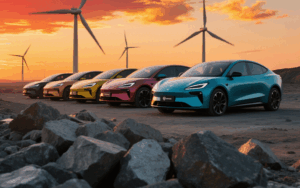
The report projects that global demand for magnetic rare earth elements (neodymium, praseodymium, dysprosium, and terbium) will triple from 59,000 metric tons in 2022 to 176,000 metric tons by 2035. This surge is primarily driven by electric vehicle adoption—outpacing substitution with copper coil magnet—and rapid wind power capacity expansion.
Notably, these magnetic REEs currently contribute 80% of the total rare earth market value despite accounting for only 30% of production volume.
China’s Supply Dominance
Amid rising demand, a global supply shortfall of up to 30% is anticipated. China controls approximately 60% of global mining and 80% of refining capacity, with uncertainties around its production plans amplifying supply risks. Even if Chinese output bridges the gap, geopolitical tensions will strain an industry already struggling to scale outside China.
Light rare earths will remain heavily dependent on China through 2035. Over 60% of heavy REEs—critical for wind turbines, EVs, and robotics—will likely continue to be mined in the Asia-Pacific region and refined in China. Though multiple countries are developing local supply chains (potentially reducing China’s mining share below 50%), diversification is expected to progress slowly over the next 5–10 years. Recent Chinese export restrictions on select medium-to-heavy REEs further compound geopolitical uncertainties.
Recycling Emerges as Strategic Opportunity
Given the lengthy timelines, high costs, and environmental hurdles in developing new mining and processing capacity, recycling is gaining critical importance.
Currently, over 80% of REE scrap originates from consumer electronics, home appliances, or internal combustion engine vehicles—all using relatively small magnets. By 2050, expanded use in EVs and wind turbines is expected to shift scrap pools toward larger magnets containing higher-value heavy REEs, sourced from BEV drivetrains, industrial motors, and decommissioned turbines.
The REE value chain could generate approximately 40,000 metric tons of pre-consumer scrap (from magnet design/manufacturing) and 41,000 metric tons of post-consumer scrap (end-of-life products) annually.
However, significant recycling barriers persist: Post-consumer REE magnets require dedicated separation for further processing—a practice absent in existing recycling systems focused on high-value/bulk materials like gold, copper, aluminum, or steel.
China News
Clean Energy
Electric Cars
Rare Earth