
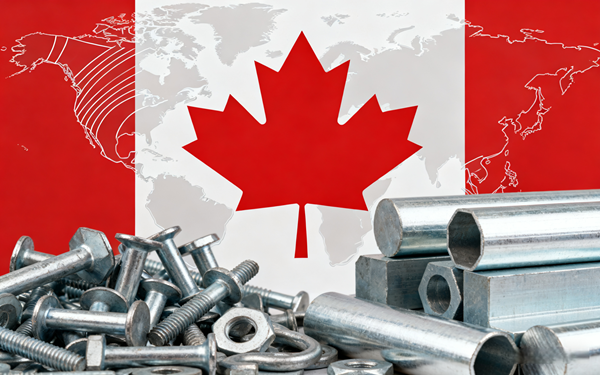
Amid ongoing trade tensions with both the United States and China, Canada has moved to ease tariffs on certain steel and aluminum imports from the two economic powers—a tactical shift designed to relieve pressure on domestic industries caught in the crossfire of multilateral disputes.
The tariff remission, which took effect October 15, targets specific products not widely produced in Canada and aims to stabilize supply chains in key sectors including public health, national security, agriculture, and food processing.The adjustment was formalized through an amendment to the 2024 surtax remission order on Chinese imports, the Canadian finance ministry announced last Friday. Detailed implementation guidelines are expected to be published on November 5.
Finance Minister François-Philippe Champagne defended the policy at a press briefing on Monday, stating, “The remission process is designed to protect people in the downstream sector… and help them deal with exceptional circumstances.” He emphasized that the exemptions apply only to narrowly defined products essential to Canada’s industrial base and would not significantly affect revenue collected from retaliatory tariffs.
The decision comes as Canada’s economy feels the strain from U.S. tariffs on its steel and aluminum exports and Chinese duties targeting its agricultural products. In response, Prime Minister Mark Carney’s administration has engaged in dual-track diplomacy, holding talks with the Trump administration while also pursuing dialogue with Chinese officials to secure relief for Canadian exporters.
Observers note that Carney has rolled back several retaliatory tariffs imposed by his predecessor on U.S. goods—a gesture seen as building goodwill ahead of further negotiations. The latest tariff exemptions reflect a pragmatic approach to trade policy, balancing domestic supply chain needs with broader diplomatic strategy.