
SLAM Exploration Ltd. (TSXV: SXL)
‘Exploring for critical elements and precious metals in New Brunswick, Canada.’

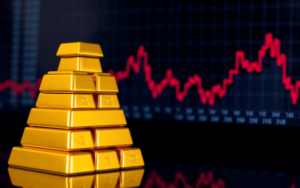
In a remarkable and rare display of synchronized strength, global commodity markets witnessed history on Tuesday as gold, silver, and copper prices all surged to unprecedented all-time highs. This was not merely a single-sector boom but a spectacle fueled by the convergence of multiple macroeconomic forces.
This epic surge is the result of several powerful, synchronized drivers:
First, persistent safe-haven demand has provided a solid foundation. Escalating global geopolitical uncertainties—such as recent U.S. actions concerning Venezuela—continue to spur demand for traditional haven assets like gold and silver. Ahmad Assiri, a strategist at Pepperstone Group, noted that geopolitical friction has re-entered the market narrative, reinforcing gold’s background demand as an essential hedge.
Second, shifting monetary policy expectations have served as a key catalyst. Growing market anticipation that the U.S. Federal Reserve will initiate an interest-rate cutting cycle next year has reduced the opportunity cost of holding non-yielding assets like bullion, creating a favorable monetary backdrop for the precious metals rally.
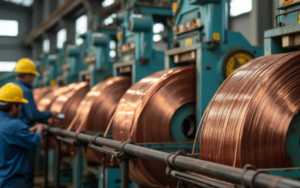
For copper, however, the logic runs deeper—this is not just a demand story but a profound supply crisis intertwined with policy gambits. On one hand, structural shortages are becoming acute. Operational disruptions at key mines across the Americas and Africa have severely constrained output. Simultaneously, the global energy transition and the boom in AI data center construction are driving explosive demand growth. BloombergNEF forecasts that the copper market could slip into a deficit as early as 2026.
On the other hand, the shadow of potential “Trump tariffs” looms large. Traders, preemptively buying to hedge against possible import duties, have further tightened supplies, becoming a core factor propelling prices. As Brendan Smith, CEO of SiTration, stated, the recent price action reflects short-term disruptions layered onto longer-term supply challenges.
Why has silver’s ascent been so sharp? Beyond sharing gold’s macroeconomic tailwinds, its own supply-demand dynamics are exceptionally tight. Following a historic short squeeze in October, physical silver supply has remained dislocated. Although London vaults have seen inflows, significant available metal is still lodged in New York, awaiting the outcome of a U.S. Commerce Department national security probe into critical mineral imports—a review that could lead to new tariffs.
Assiri explained that silver reacts to the same macro forces with greater intensity, where tight supply combined with robust speculative interest magnifies price moves.
Analysts widely believe the structural factors underpinning this rally—central bank gold purchases, geopolitical risks, long-term energy transition demand, and sluggish supply growth—are unlikely to fade soon. Goldman Sachs, for instance, has projected gold could target $4,900 per ounce by 2026.
Nevertheless, the market is not without potential turbulence. Any unexpected shifts in Fed policy, a sharper-than-expected downturn in demand from major economies, or a sudden easing of geopolitical tensions could trigger significant volatility. Yet for gold, silver, and copper, these record highs may no longer be a peak but rather a starting point in a new paradigm. The furious rally, driven by fear, anticipation, and scarcity, continues to write its next chapter.