1911 Gold Corporation (TSXV: AUMB; OTCQX: AUMBF)
1911 Gold is Manitoba’s Gold Standard - Ready, Permitted and High-Grade 1911 Gold is an Emerging Gold Producer, with Significant Cash Flow Generation and District-Scale Growth Potential
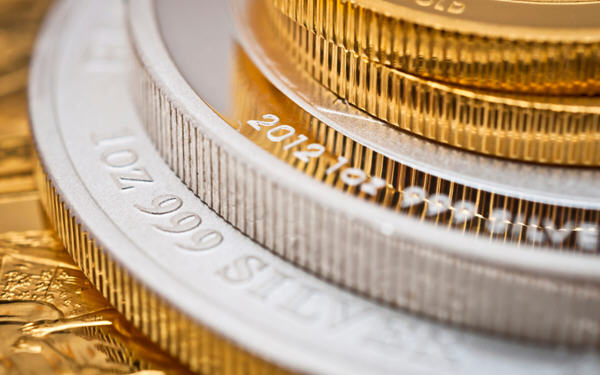
On the last trading day of January 2026, the global precious metals market experienced a “bloodbath.” Spot gold plunged over 8% in a single day, briefly falling below $4,910 per ounce, while silver suffered an even more severe blow, crashing nearly 30% and momentarily dropping under $75 per ounce. This most violent sell-off in years—is it the end of the bull market feast, or merely a technical breather after a frenzied rally?
The immediate trigger for this sharp decline is widely believed to be related to the next Federal Reserve Chair nominee. The night before, market rumors surfaced that former Fed Governor Kevin Warsh was President Trump’s planned nominee for the next Federal Reserve Chair. The market generally interpreted that, compared to another frontrunner Kevin Hassett, Warsh’s monetary policy stance might be more cautious, even carrying a “hawkish” hue. Once the news broke, market expectations for the Fed to cut interest rates significantly and rapidly cooled off, causing the U.S. dollar and Treasury yields to rise, exerting direct pressure on non-yielding assets like gold and silver.
However, the deeper cause lies in the market’s internal conditions, which were already “running a high fever.” Gold’s Relative Strength Index (RSI) had previously soared to 90, hitting a multi-decade high, indicating a severely overbought condition. The silver-to-gold ratio surged sharply, reminiscent of the extreme scenario in the late 1970s, often a warning signal of overly exuberant market sentiment. Goldman Sachs pointed out that the massive purchase of call options prior to this had technically created a mechanical “upward momentum reinforcement,” making the market structure exceptionally fragile.
A Major Challenge or a Healthy Correction?
Despite the staggering losses, if we lengthen the perspective, this sell-off might be more accurately defined as a “necessary yet violent” technical correction rather than a fundamental reversal of the trend.
First, the fundamental support has not disappeared. Market analysts note that regardless of who assumes the Fed Chair role, the political pressure from the Trump administration for lower interest rates and economic stimulus will persist. Commerzbank analysts believe there is still a high probability that the Fed will ultimately yield to pressure and cut rates more aggressively than currently priced in by the market, which provides long-term support for gold. Meanwhile, geopolitical risks and global macroeconomic uncertainties remain a safe-haven foundation for precious metals.
Secondly, the core driver of this decline is “profit-taking” rather than a “collapse of confidence.” A strategist at Oversea-Chinese Banking Corp. noted that the market was simply waiting for an excuse to unwind those parabolic moves. The severity of this correction precisely reflects the ferocity of the preceding rally and the sheer scale of profitable positions. As of that day, gold and silver were still up more than 10% and 20% year-to-date, respectively, indicating the bull market foundation was not completely shattered.
In summary, the collapse on January 30, 2026, was a large-scale, liquidity-driven sell-off triggered by a slight shift in monetary policy expectations amidst extremely overbought conditions. It significantly challenges short-term market sentiment and risk tolerance, exposing the dangers of chasing rallies.
However, judging whether the precious metals market is facing a “major challenge” hinges on two subsequent factors: first, whether the actual policy path truly turns towards tightening after the Fed nomination is finalized; and second, whether the current price correction can attract new long-term allocation funds, rather than just hedge funds liquidating positions.
For now, the market is transitioning from a phase of “frenzied price-driven action” to one requiring more “fundamental verification.” Volatile fluctuations may become the new norm, but it is clearly too early to declare the end of the precious metals bull market that has lasted for months.