
1911 Gold Corporation (TSXV: AUMB; OTCQX: AUMBF)
1911 Gold is Manitoba’s Gold Standard - Ready, Permitted and High-Grade 1911 Gold is an Emerging Gold Producer, with Significant Cash Flow Generation and District-Scale Growth Potential
Middle East conflict drives energy costs higher, leaving open-pit gold producers exposed and iron ore miners most vulnerable
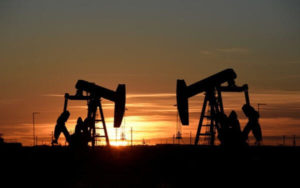
As geopolitical tensions in the Middle East continue to escalate, international oil prices have surged past $100 per barrel, reaching their highest level since July 2022. For the mining industry, where energy represents a critical input cost, the question is no longer whether expenses will rise—but by how much, and which producers will bear the brunt.
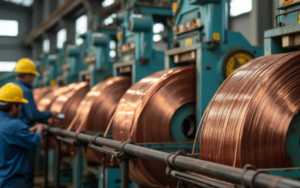
According to a new report from BMO Capital Markets, the answer depends heavily on both commodity type and extraction method. Analyzing historical cost trends using Wood Mackenzie data, the bank found iron ore operations are most sensitive to oil price increases, with costs rising approximately 4.2% for every 10% climb in crude. Copper follows at roughly 3.5%, while gold mining costs increase by about 2%.
But these averages mask a more complex reality. If crude prices average around $100 per barrel—roughly 47% above 2025 levels—iron ore mining costs could climb by as much as 20%, copper costs by 16%, and gold costs by approximately 9%.
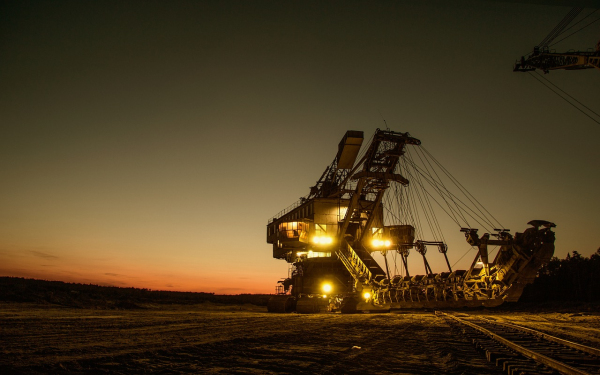
In the gold mining sector, extraction method determines vulnerability. Analysts at Jefferies point out that open-pit operations are particularly exposed to fuel inflation due to their heavy reliance on diesel-powered haul trucks, electricity generation, and most processing activities. As a result, producers with significant open-pit exposure face greater sensitivity to sustained oil price increases than their underground-focused counterparts.
“We view cost risk as more of a question of when rather than if,” wrote Jefferies mining analyst Fahad Tariq and his team in a research note. “Whereas the market previously viewed energy costs as a tailwind for miners, they are now a headwind.”
The report highlights G Mining Ventures as the North American gold producer with the largest exposure, with its Tocantinzinho project in Brazil operating entirely as an open-pit mine. Other major producers face varying levels of risk:
Jefferies analysts note that while miners with diesel hedging programs or regulated pricing structures may enjoy near-term protection, prolonged geopolitical tensions will inevitably allow rising fuel and consumable costs to filter through to operating results.
The threat from rising oil prices extends far beyond the diesel bill. Analysts warn that “bottom-up” cost breakdowns often underestimate the impact of price increases by focusing too narrowly on direct fuel consumption. Diesel currently accounts for only about 5% of copper mine operating costs, down from roughly 8% two decades ago. However, higher energy prices eventually ripple through electricity, consumables, labor, and equipment, amplifying overall cost pressures.
The closure of the Strait of Hormuz introduces additional supply chain uncertainties:
Jefferies’ report also highlights the risk of “secondary” inflation in mining consumables if supply disruptions persist. Gold producers depend on specialized inputs including sodium cyanide, explosives, grinding media, steel, flotation agents, and tires. Although many miners built substantial inventories following pandemic-era supply chain disruptions, these buffers will eventually be depleted, exposing companies to higher replacement costs.
Regional exposure varies significantly. Historically, mines in Africa and the Americas have shown lower sensitivity to global oil prices than operations in Europe and Asia, likely reflecting access to cheaper local fuel supplies and power sources. Meanwhile, the industry’s overall vulnerability to oil has gradually declined as companies invest in fuel efficiency, electrification, and captive power generation.
For now, strong gold prices and existing supply contracts are helping protect miners’ margins. However, Jefferies expects stock performance in the gold sector to diverge more sharply as energy cost pressures mount—with mine type, cost structure, energy exposure, and hedging positions increasingly becoming key factors in stock selection. While higher gold prices can offset cost pressures for some producers, others may face flat or declining margins.